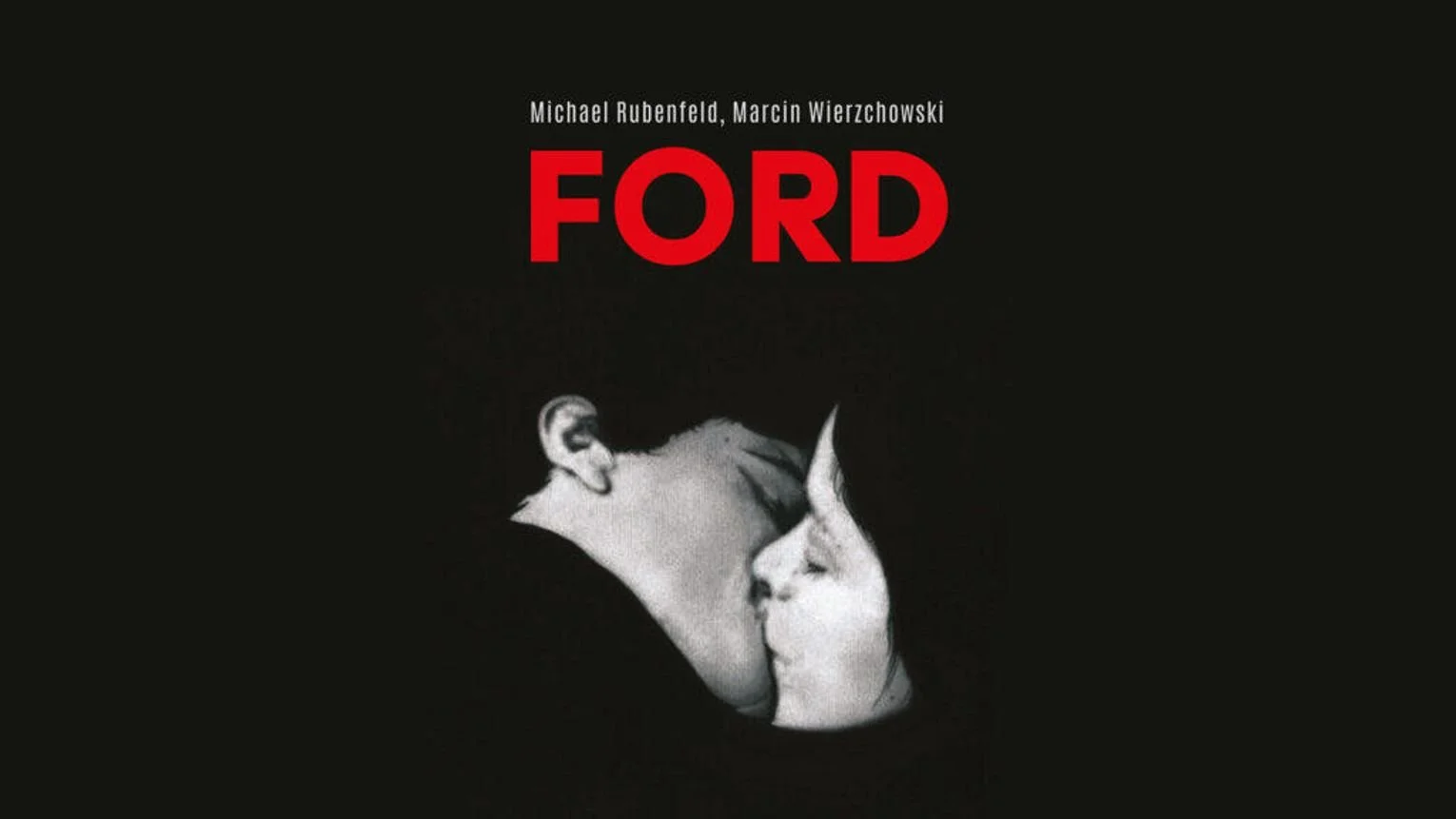
Created by Michael Rubenfeld and Marcin Wierzchowski
Directed by Marcin Wierzchowski
Adapted and Written by: Michael Rubenfeld and Marcin Wierzchowsk
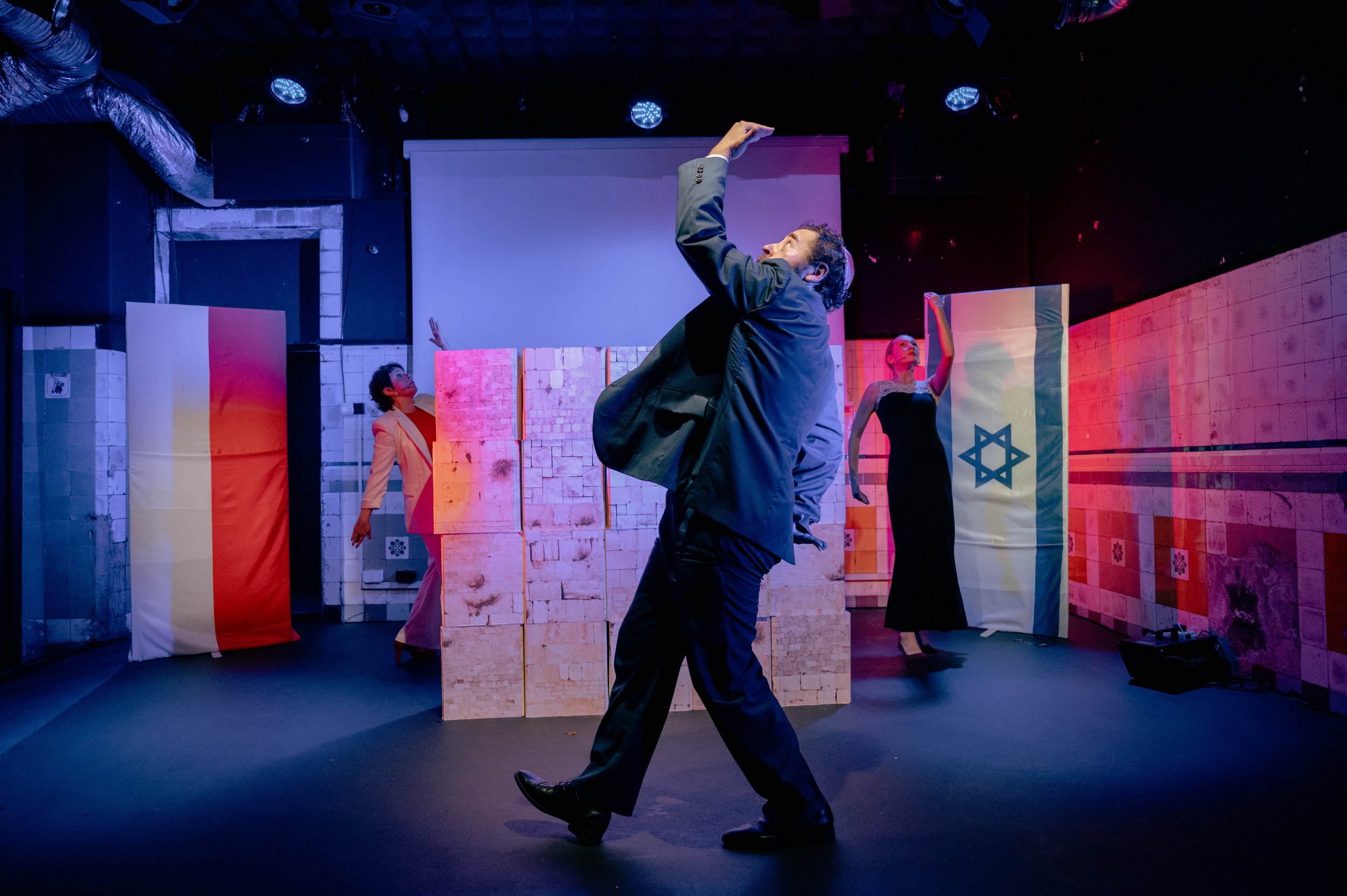
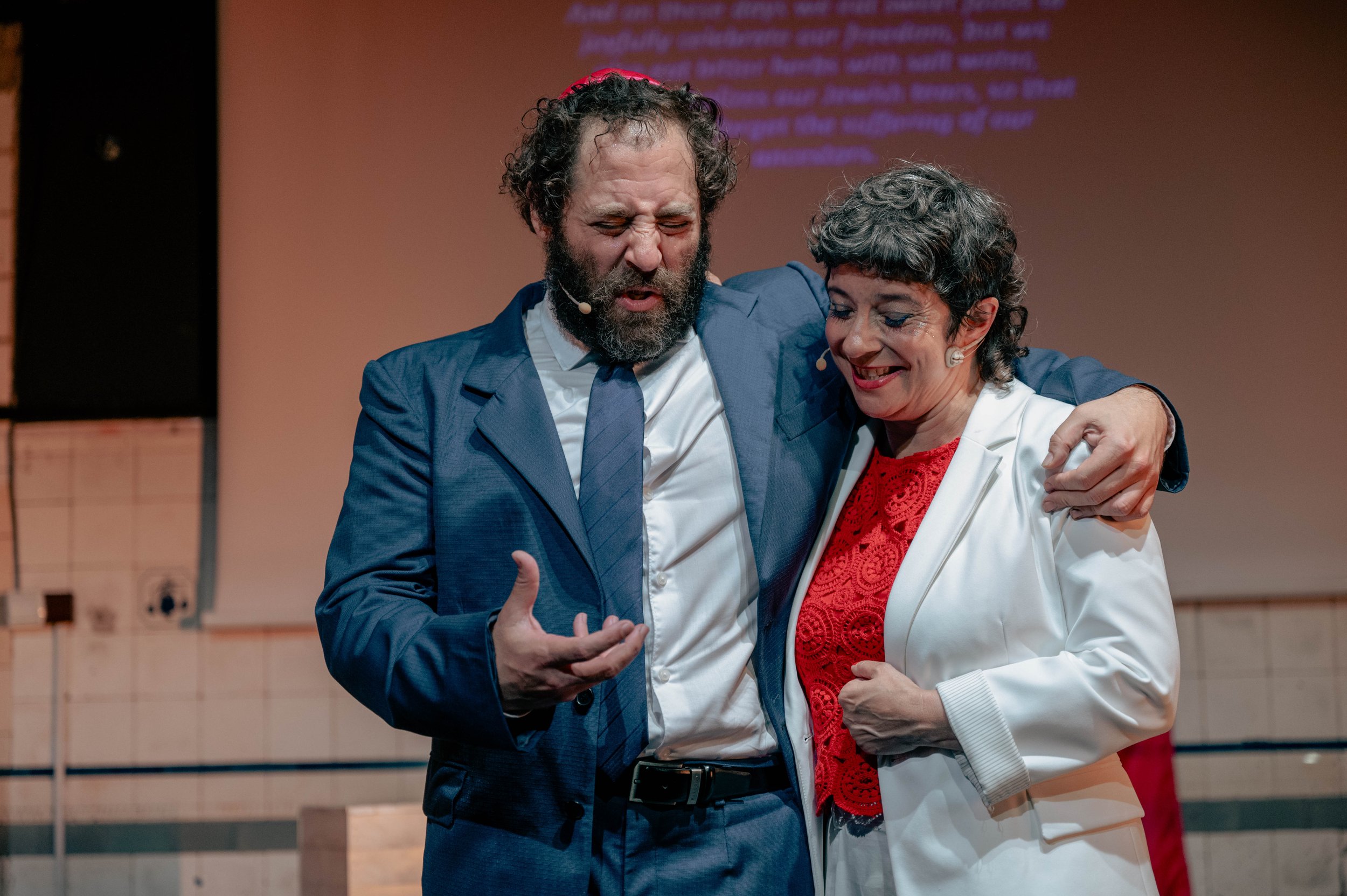
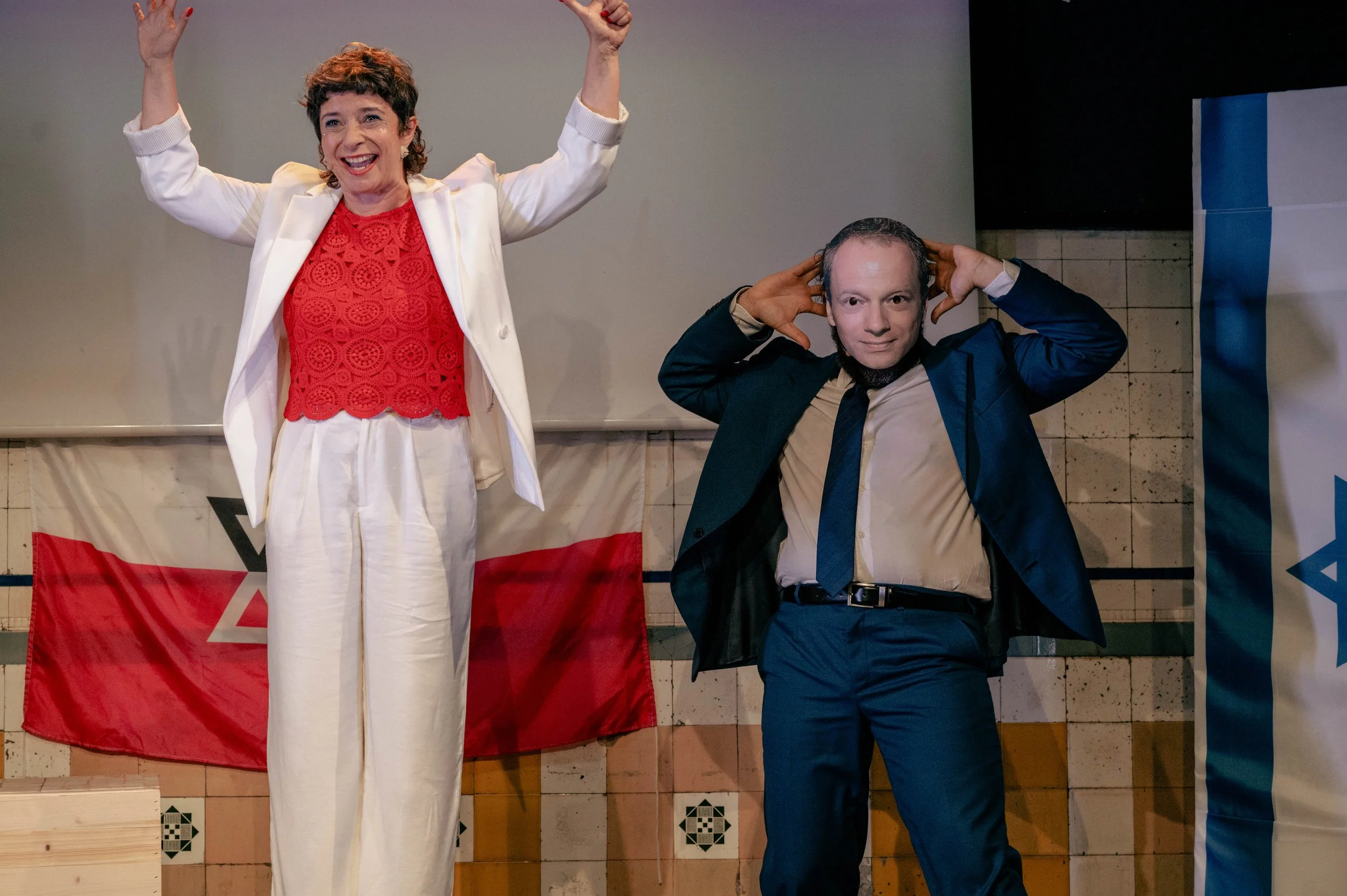
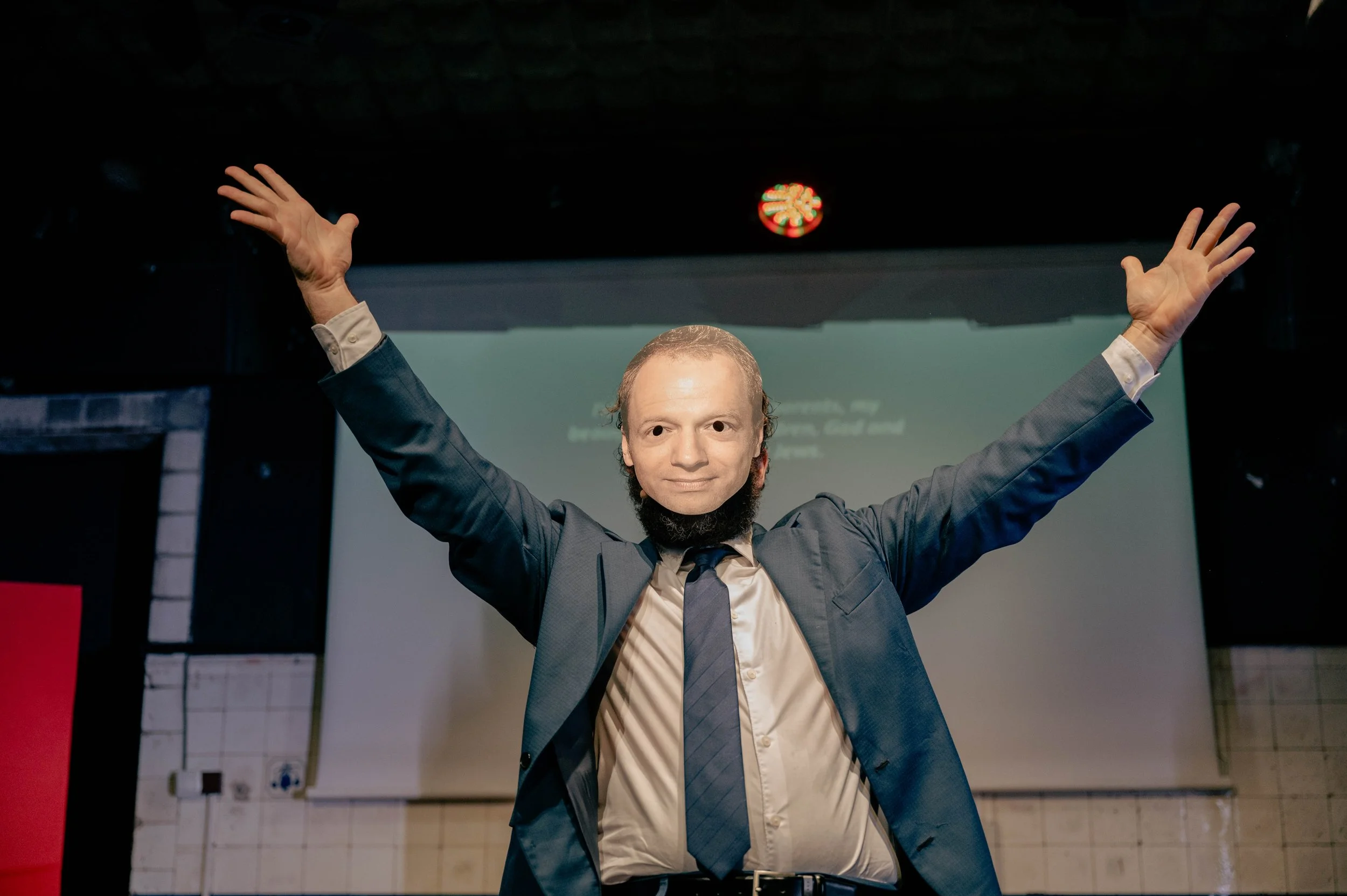
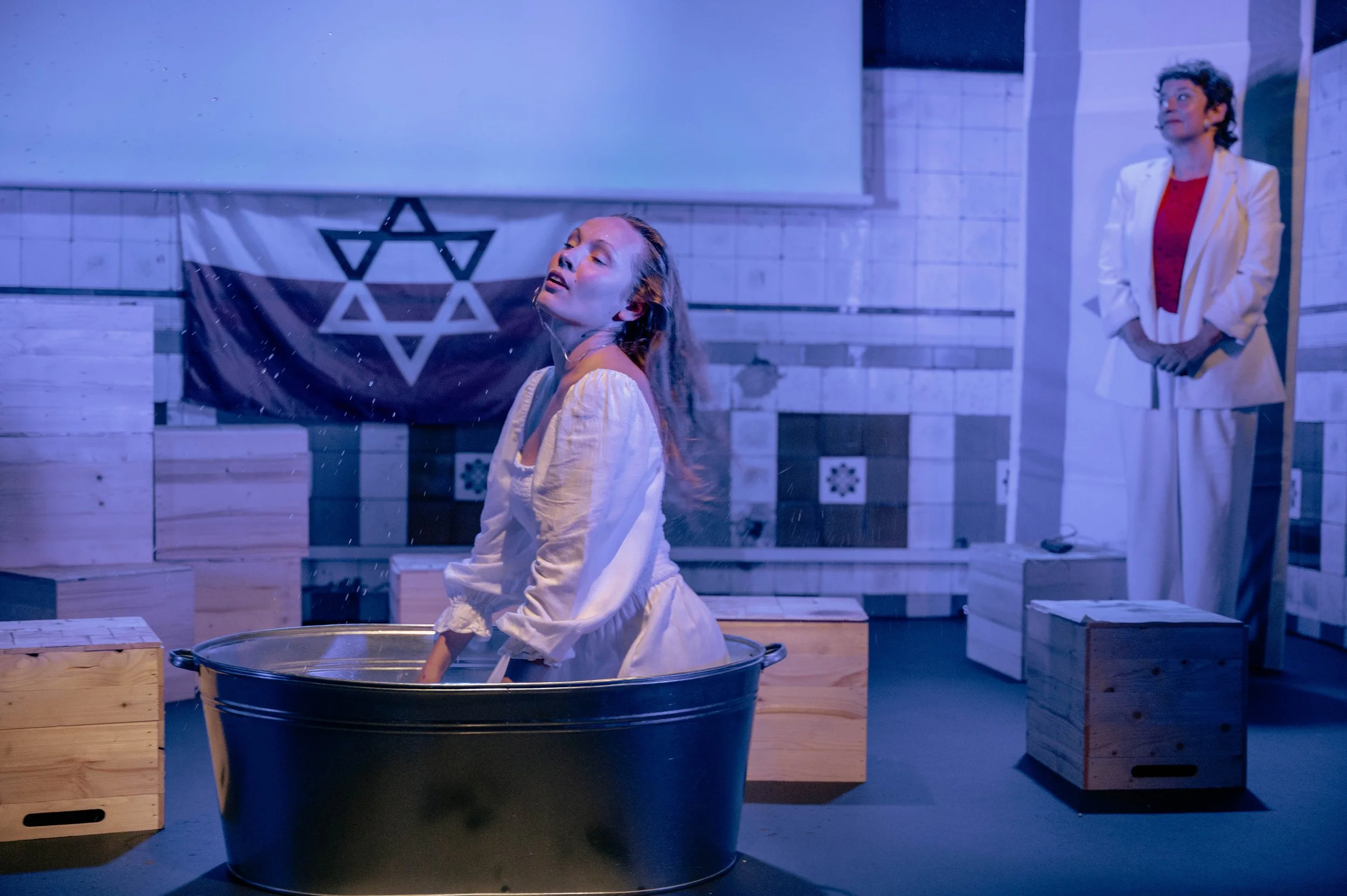
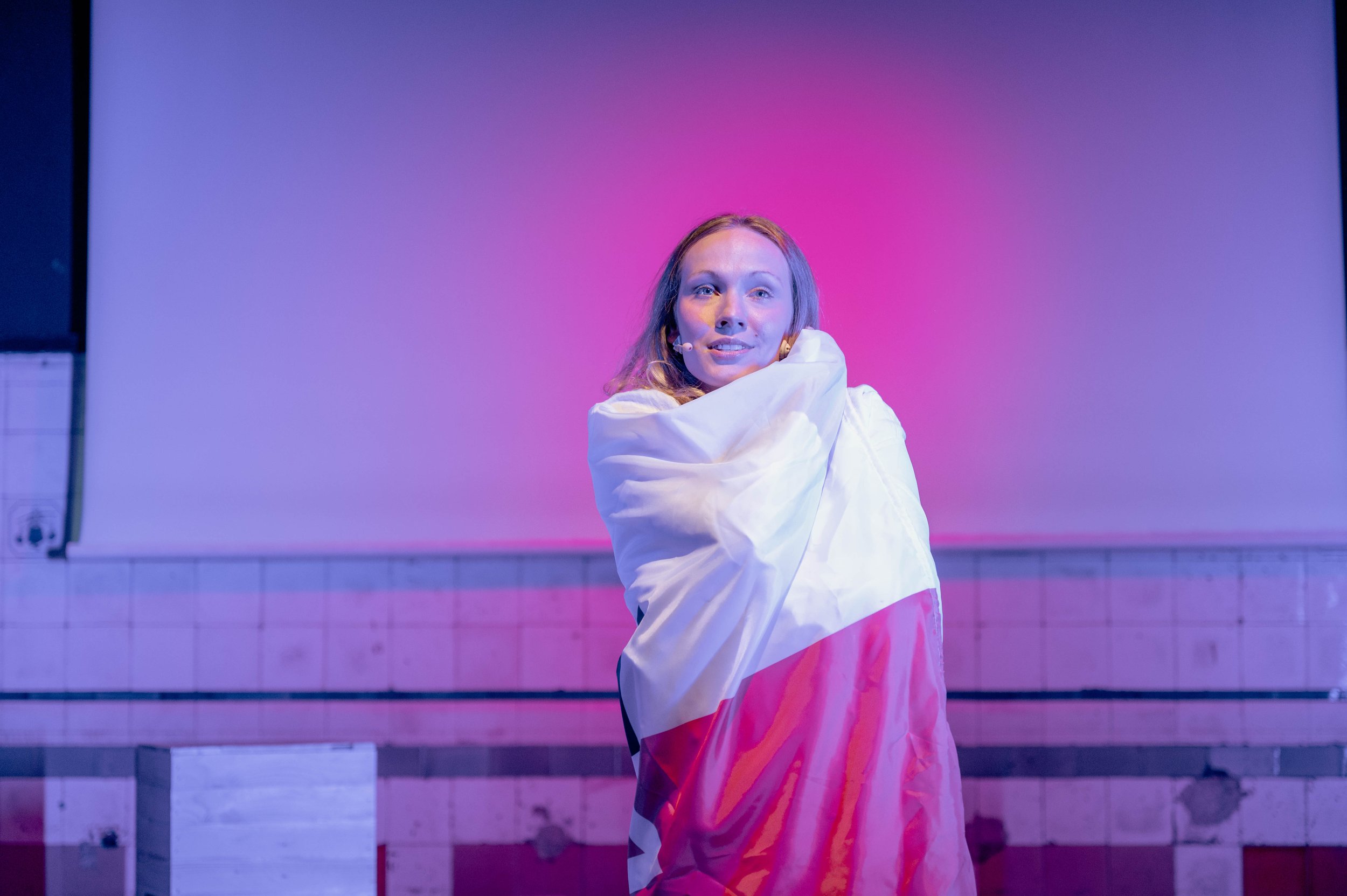
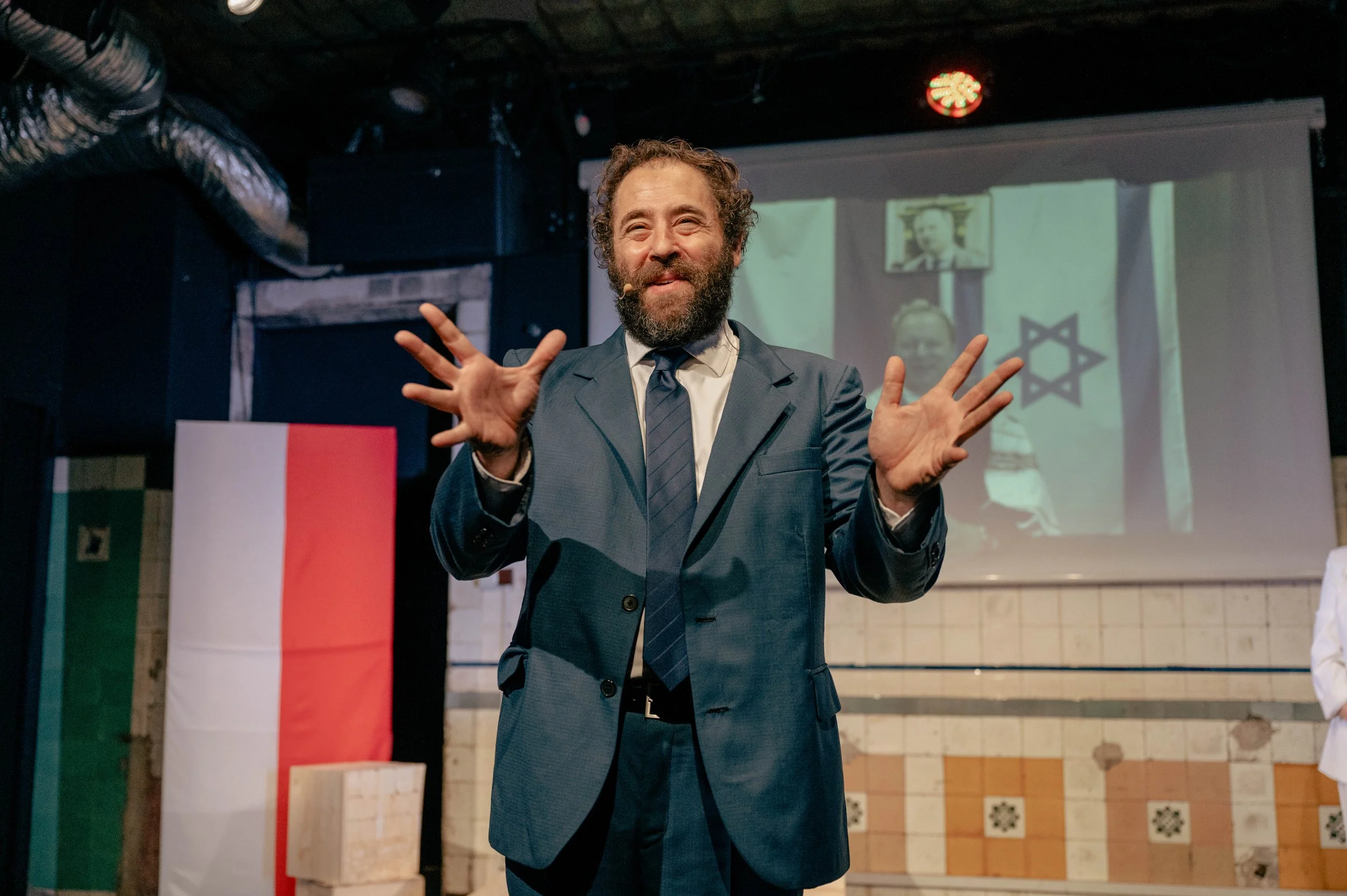
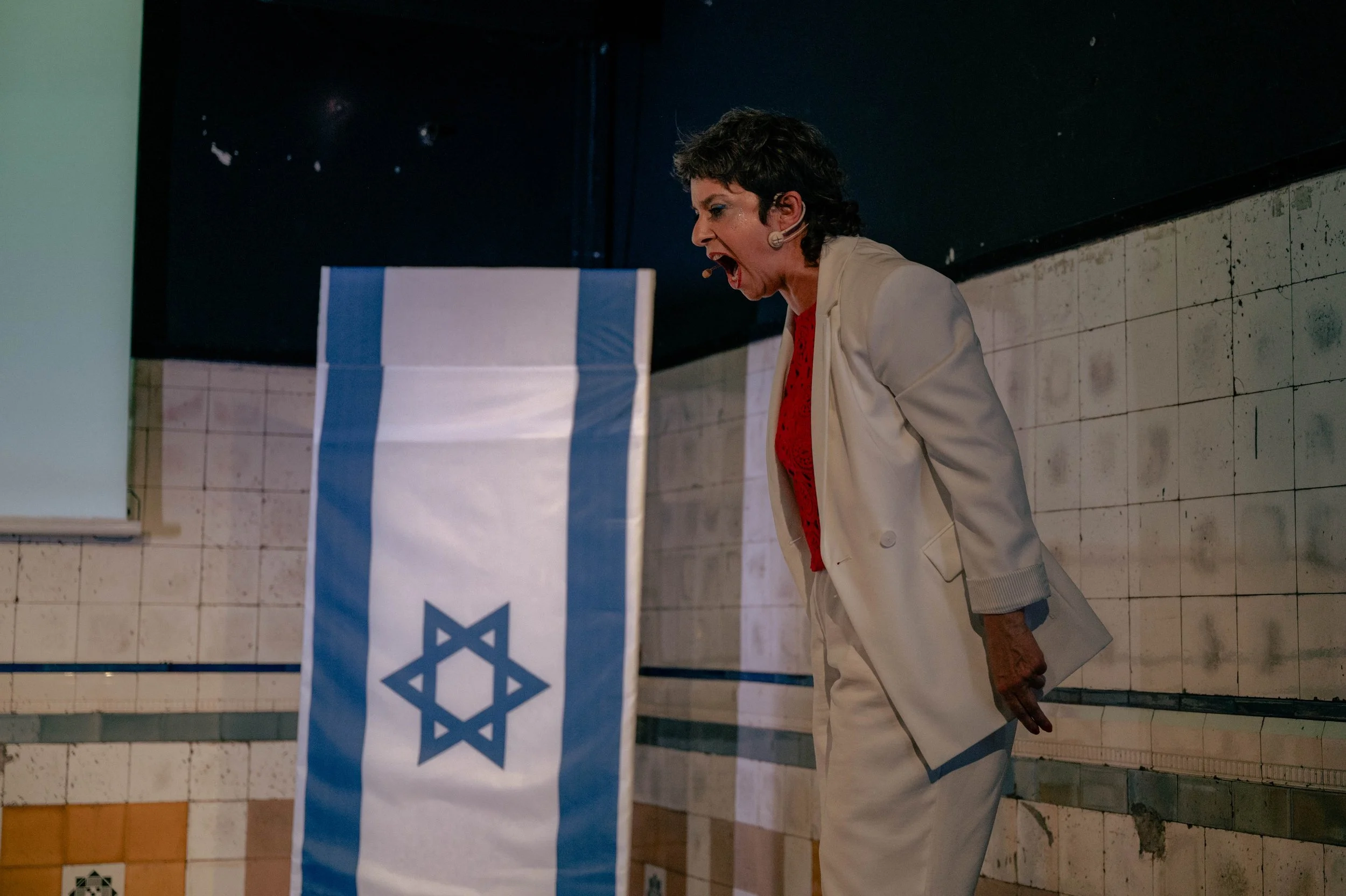
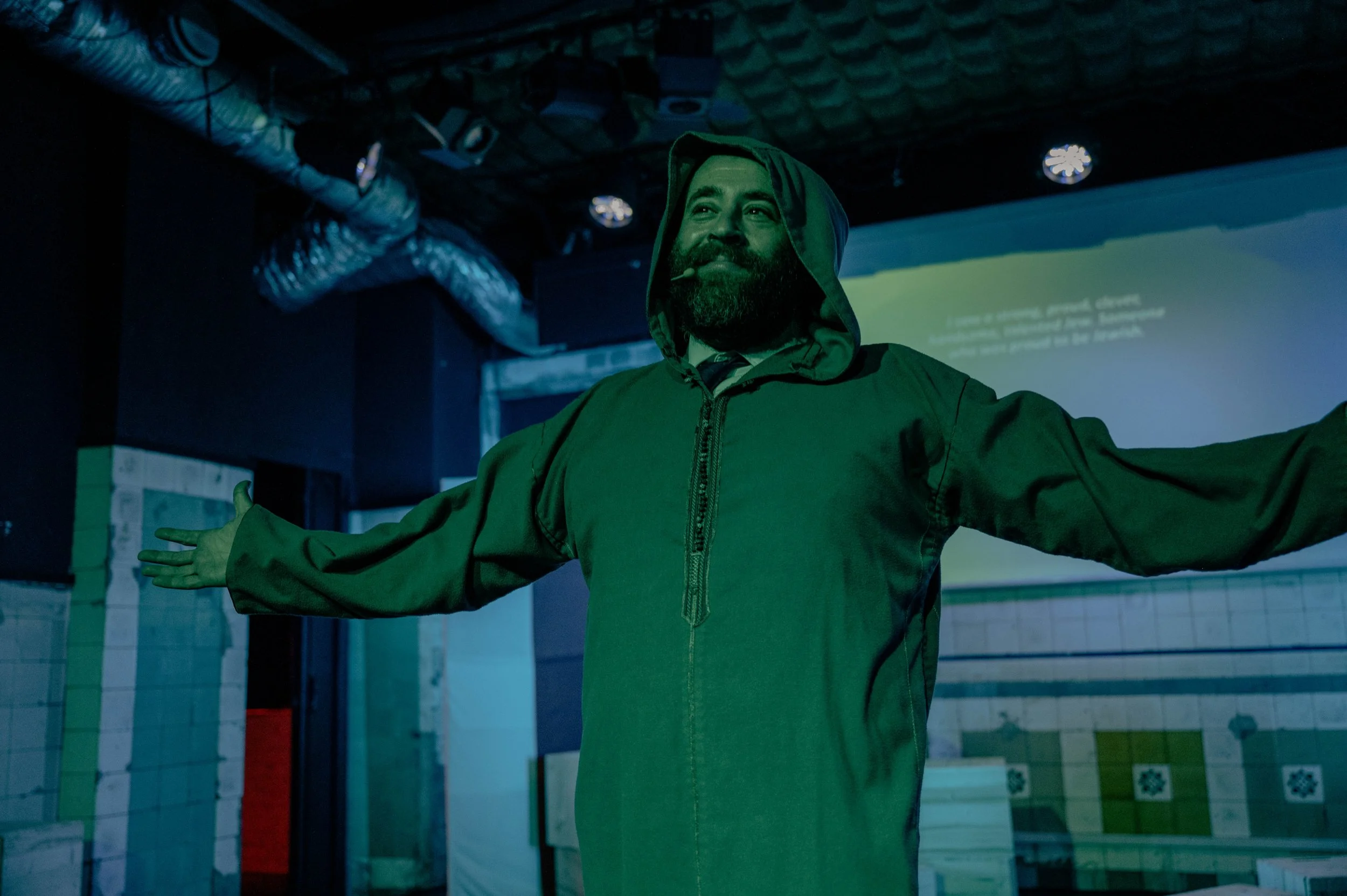
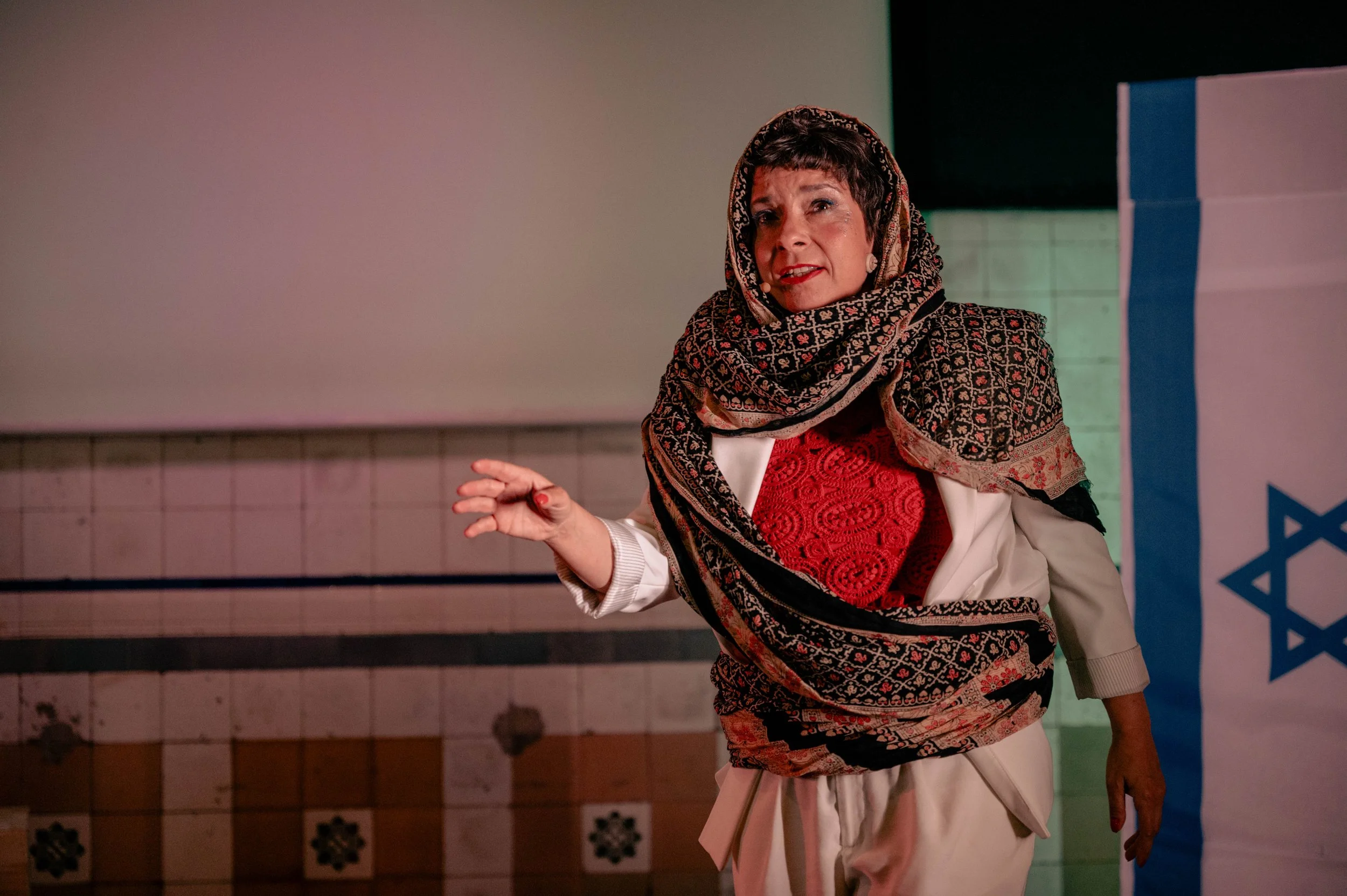
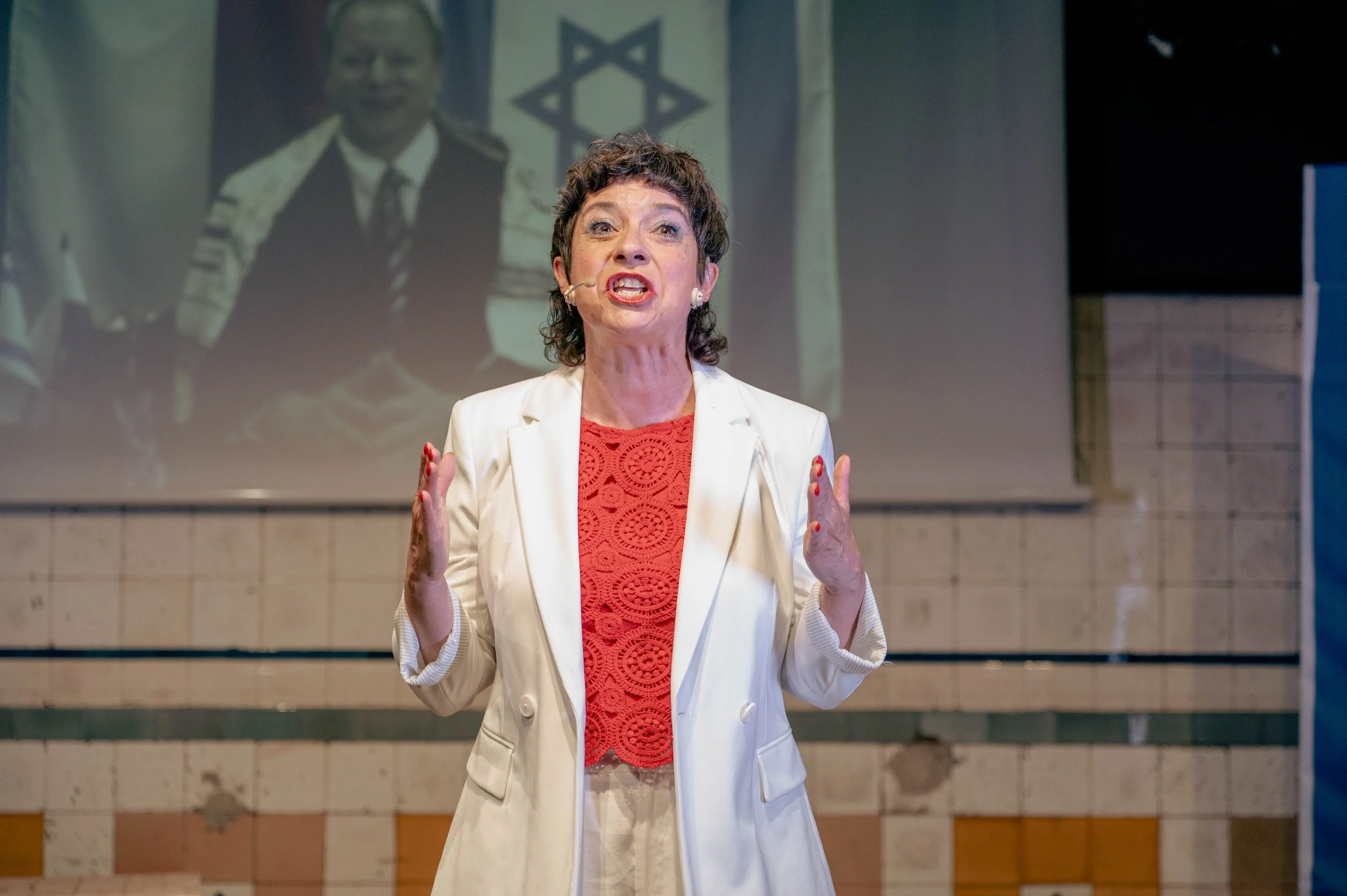
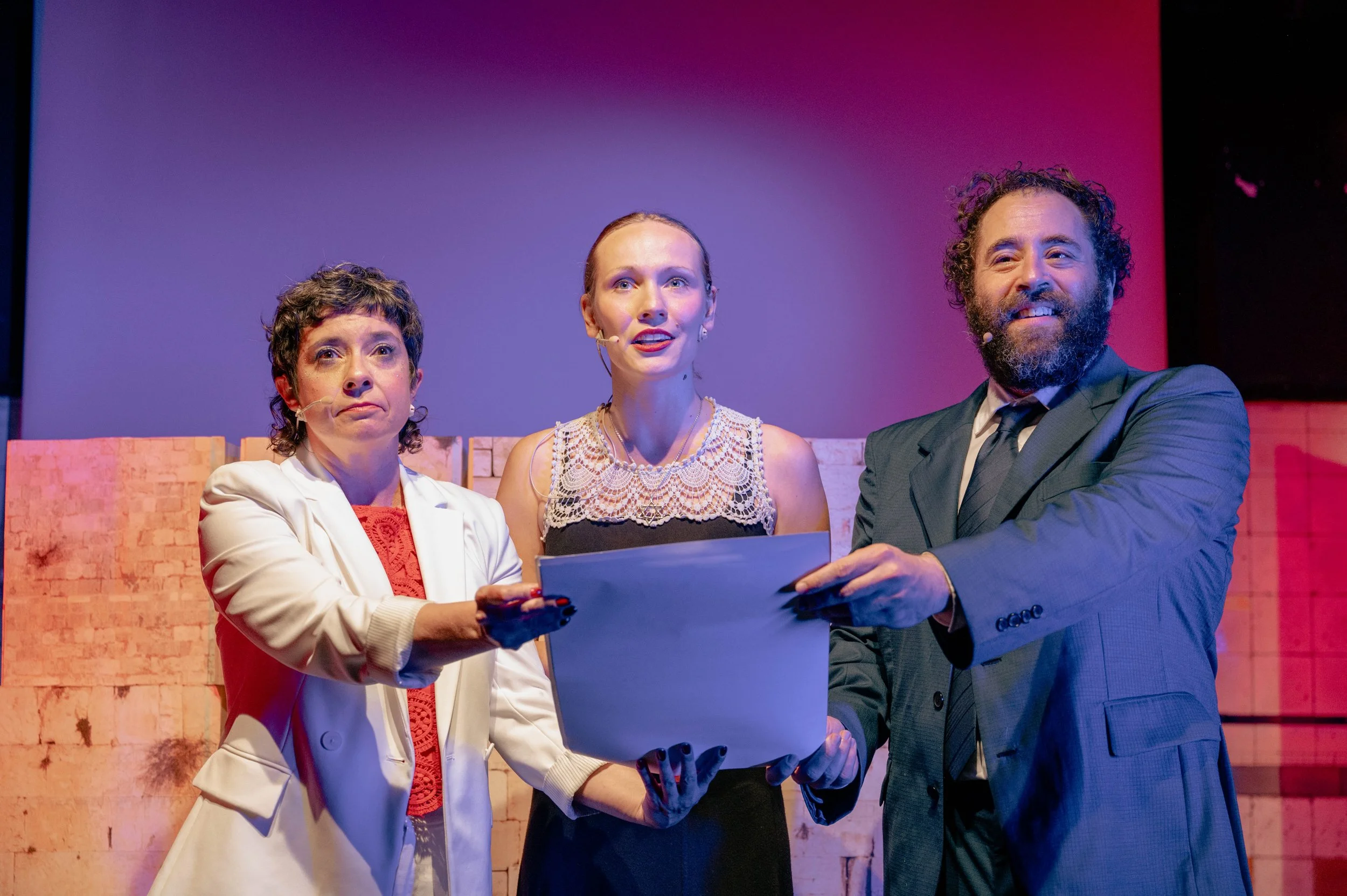
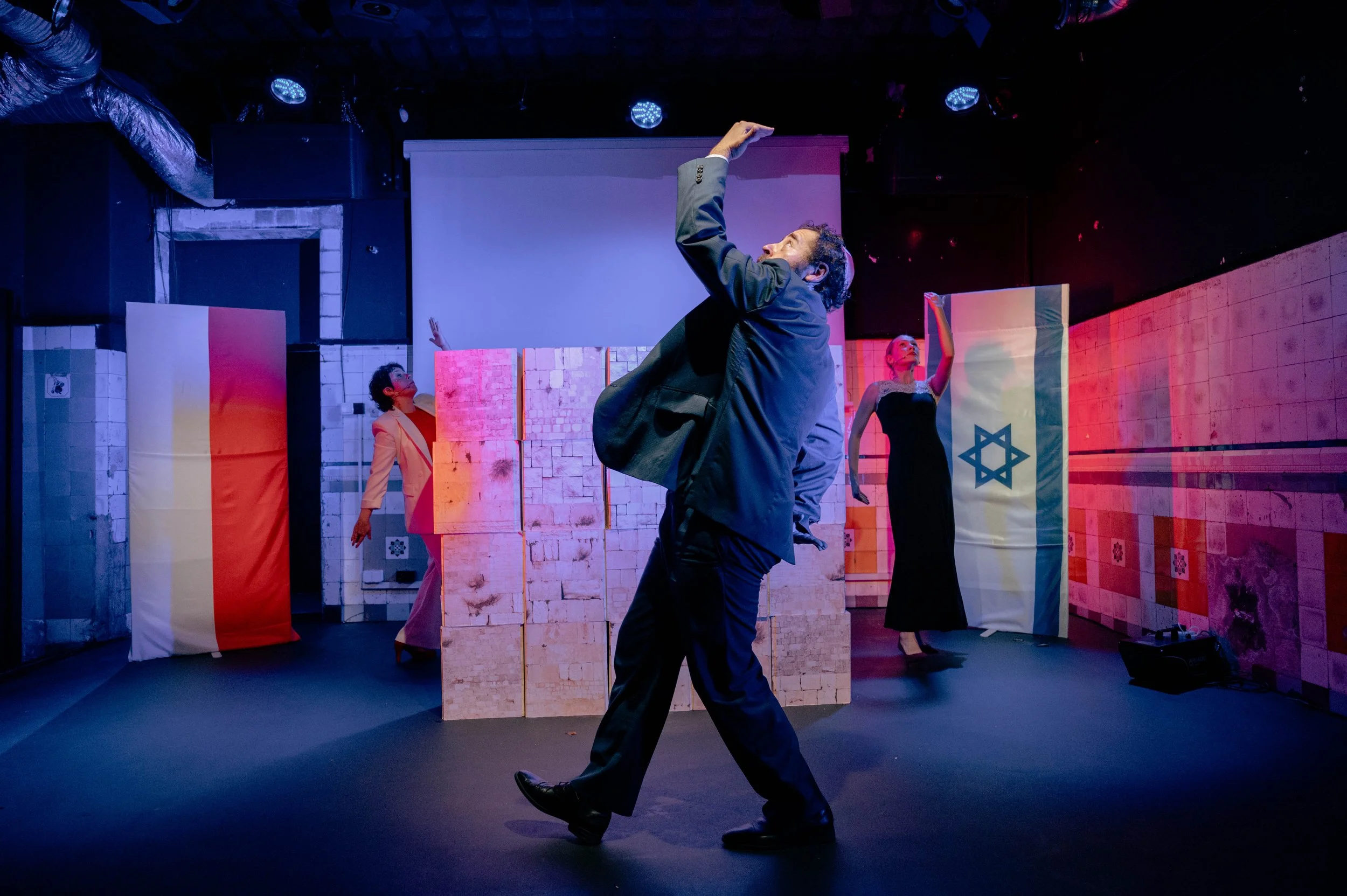
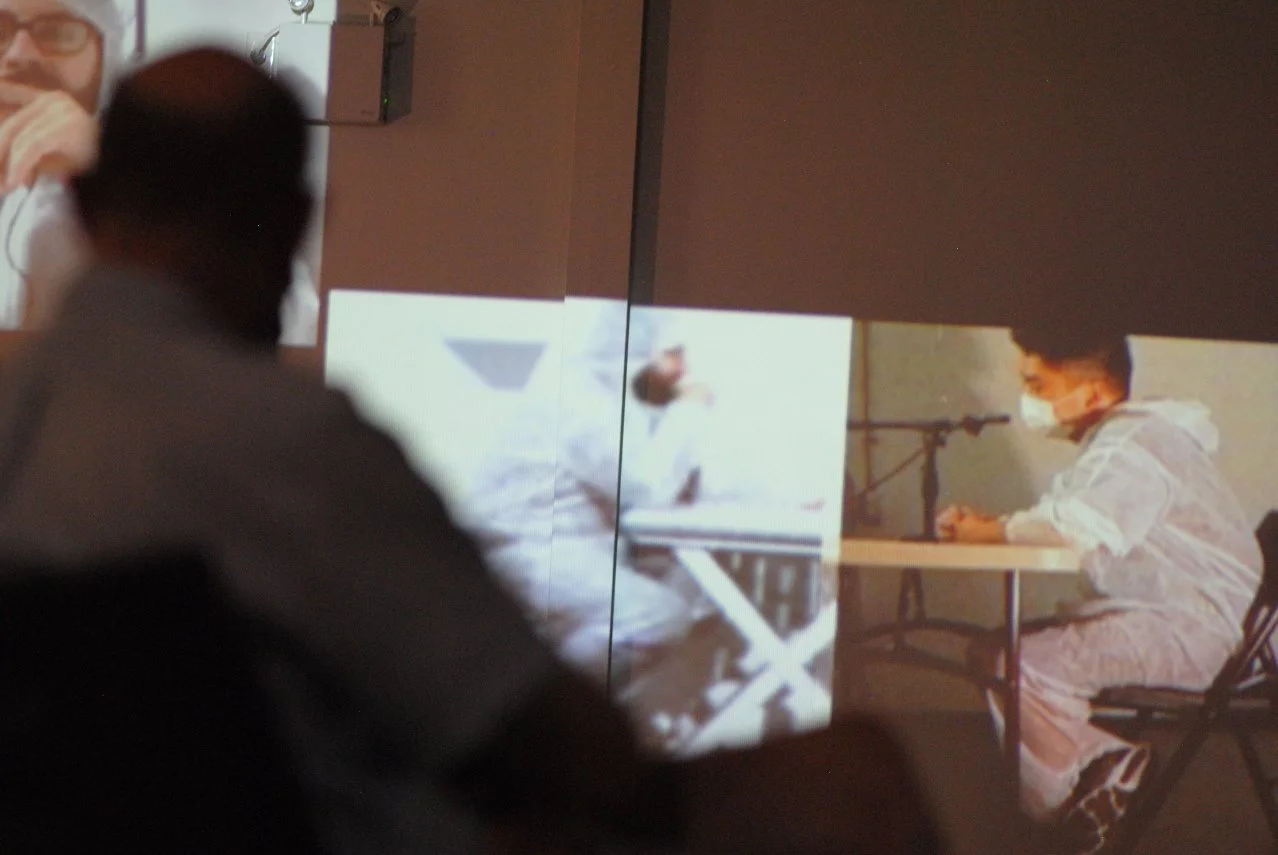
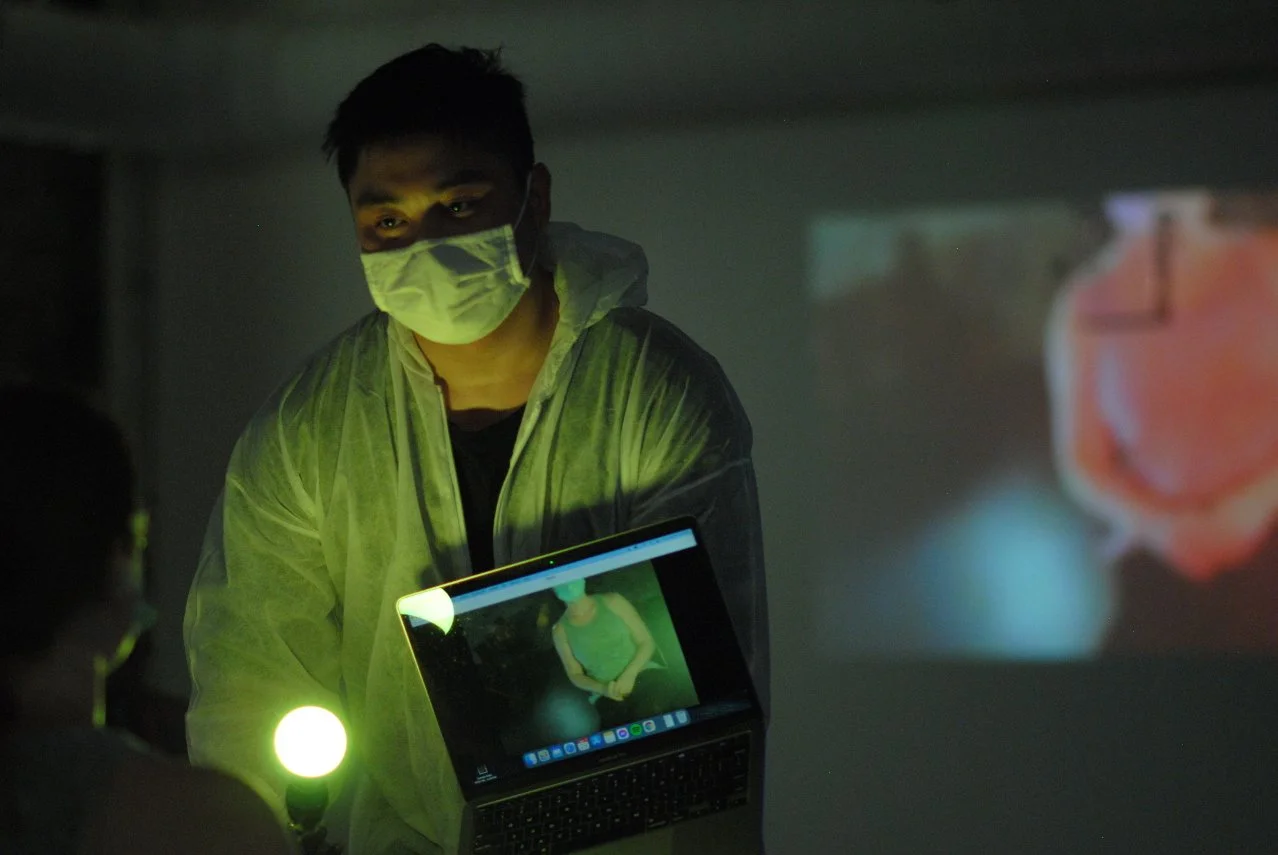
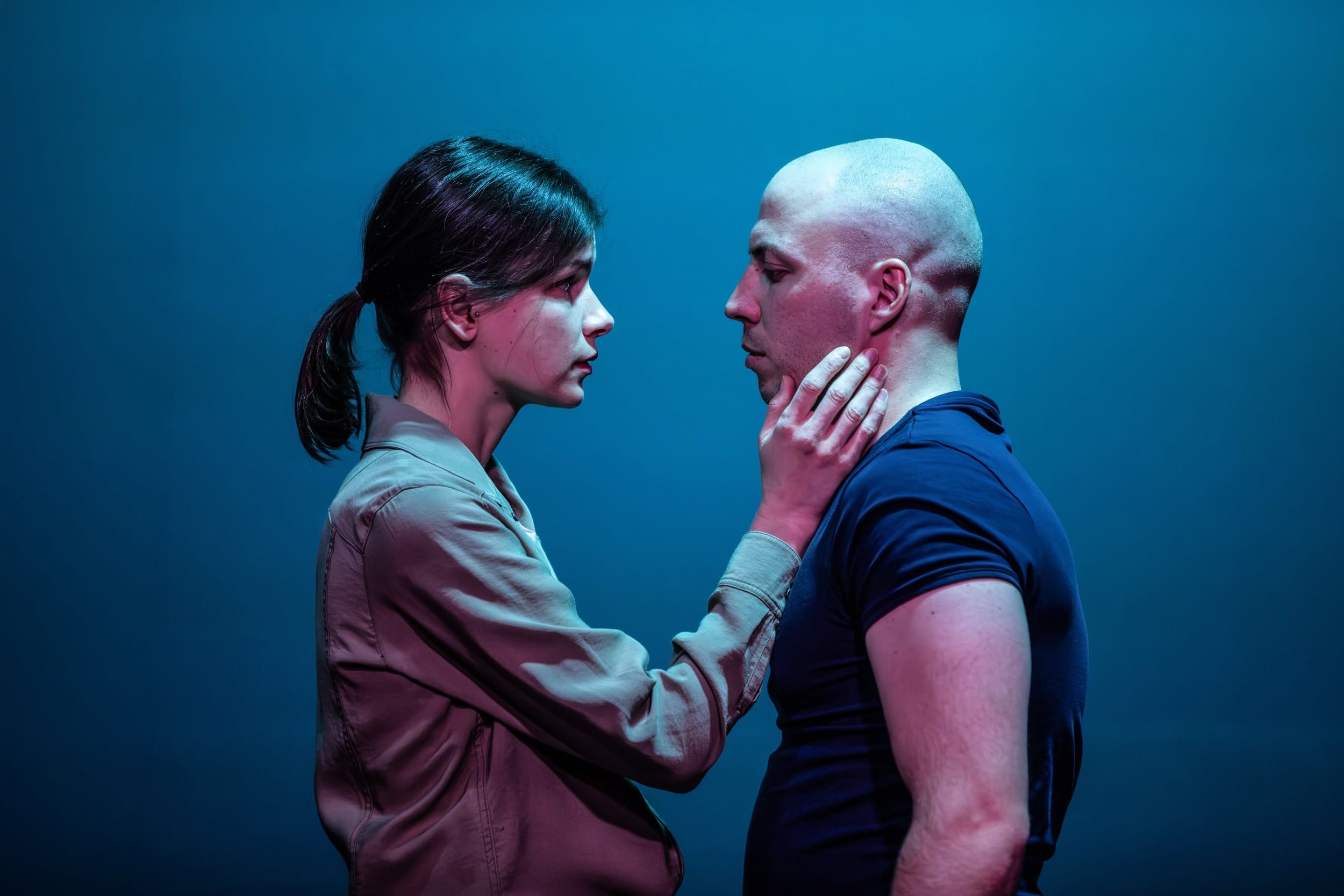
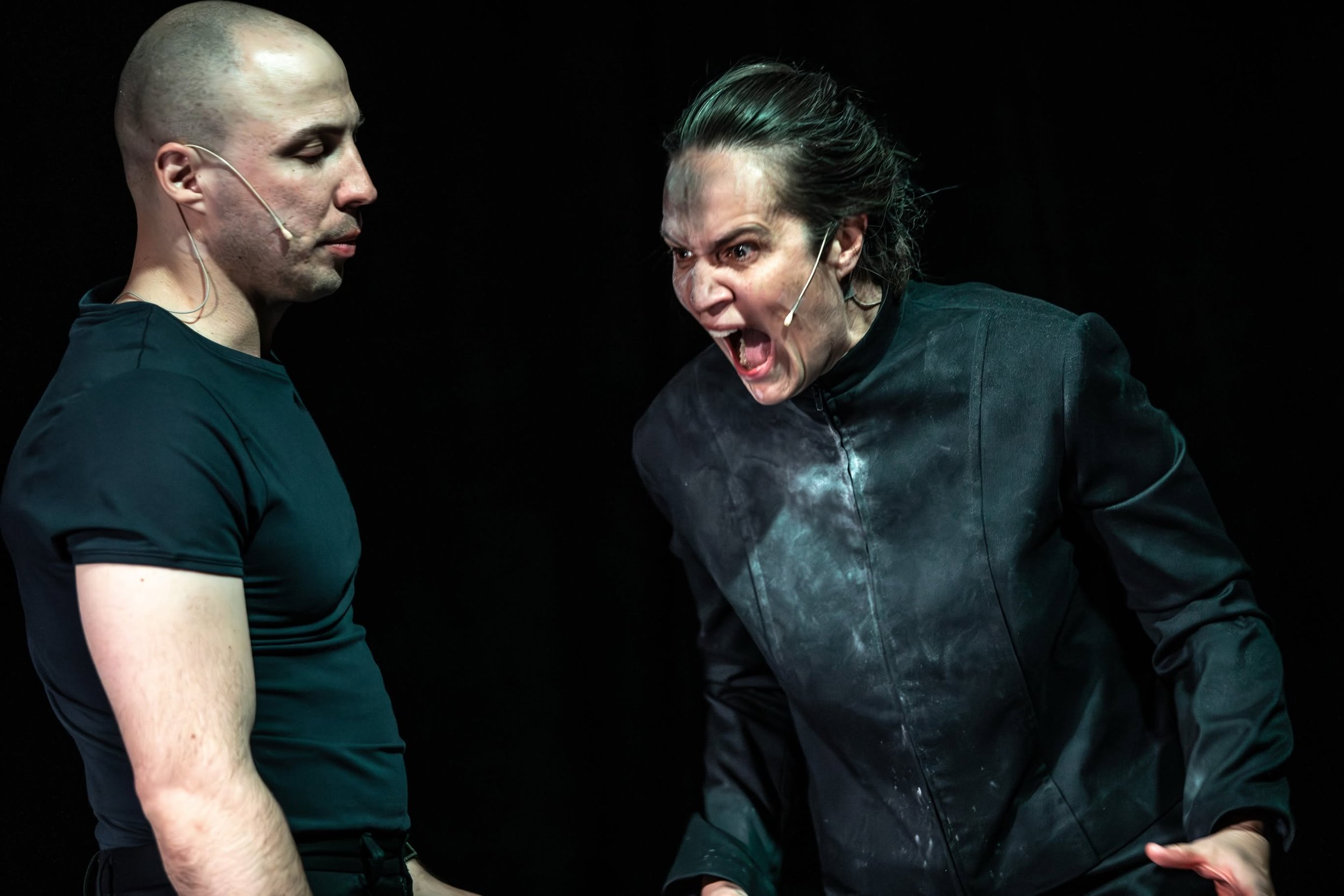
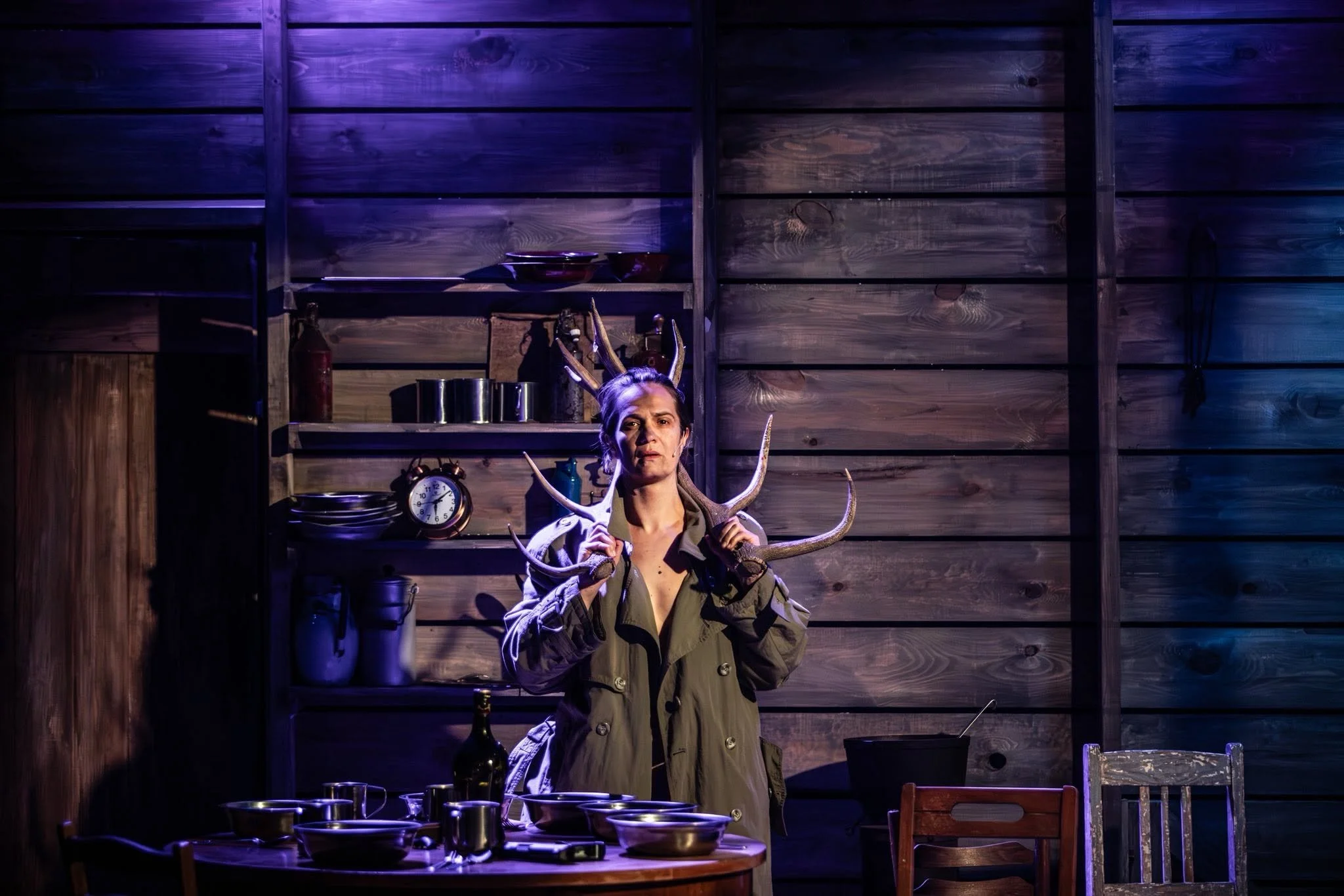
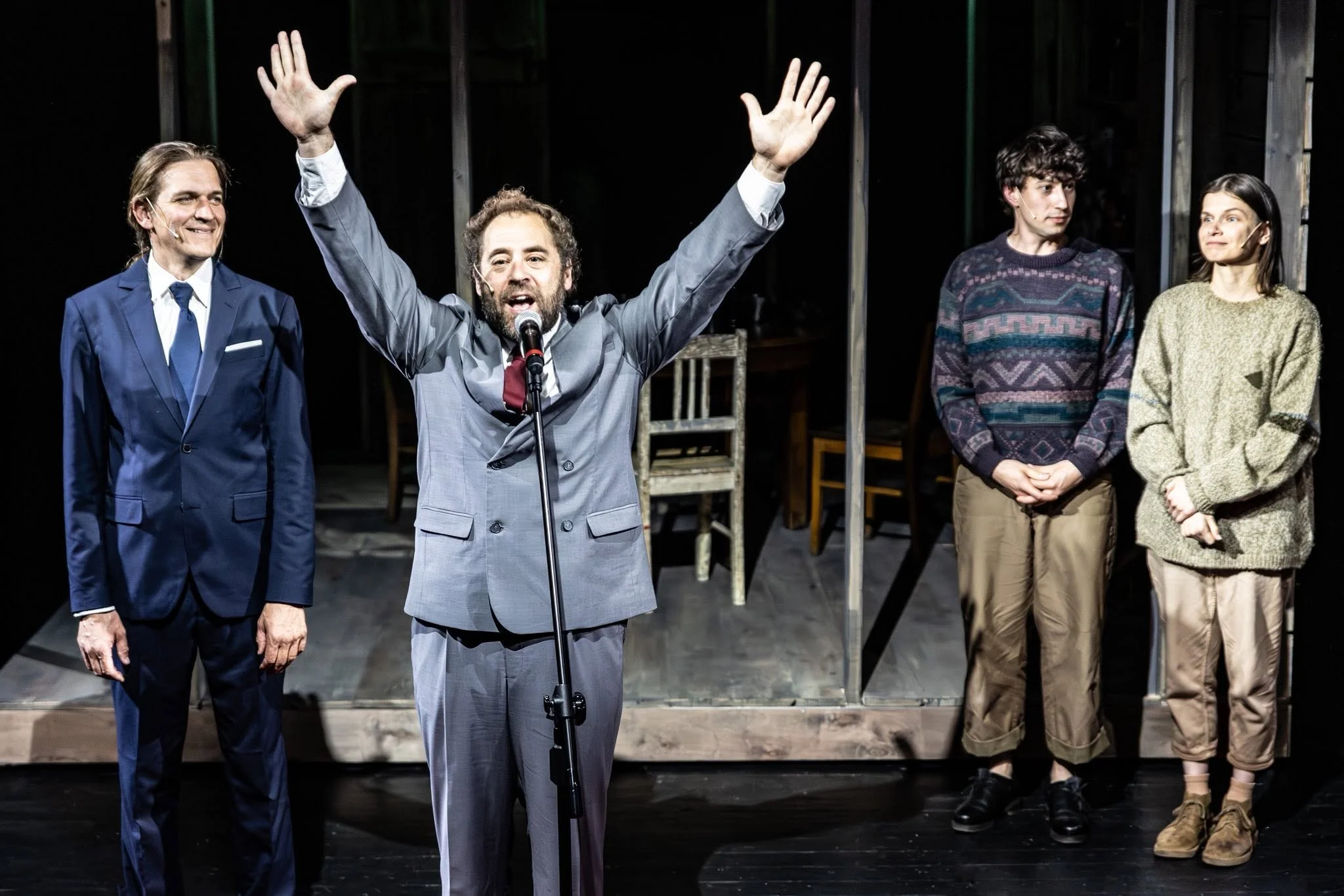
FORD is a gripping, multi-layered theatrical investigation into the life, myth, and afterlife of legendary Polish-Jewish filmmaker Aleksander Ford.
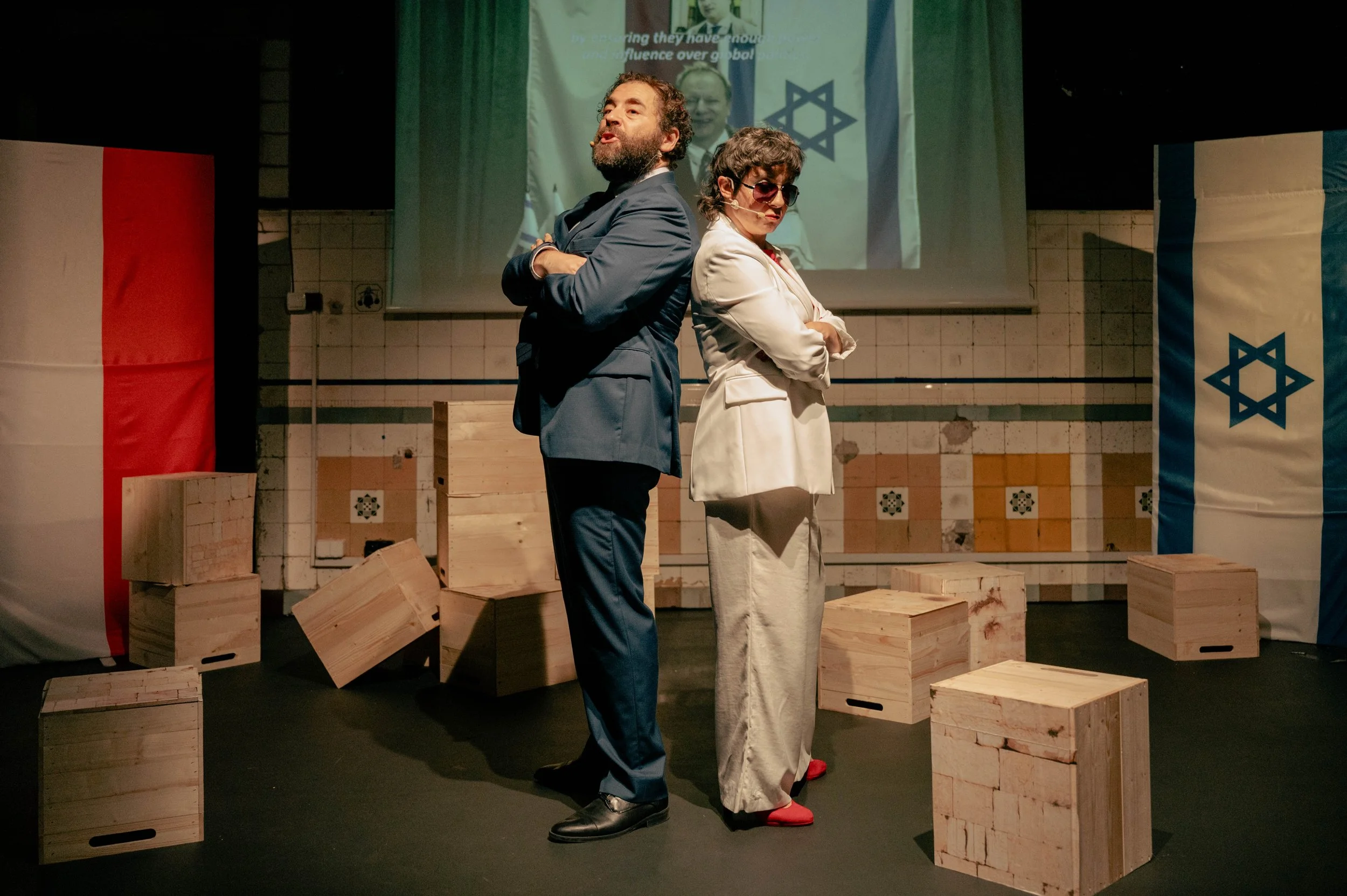
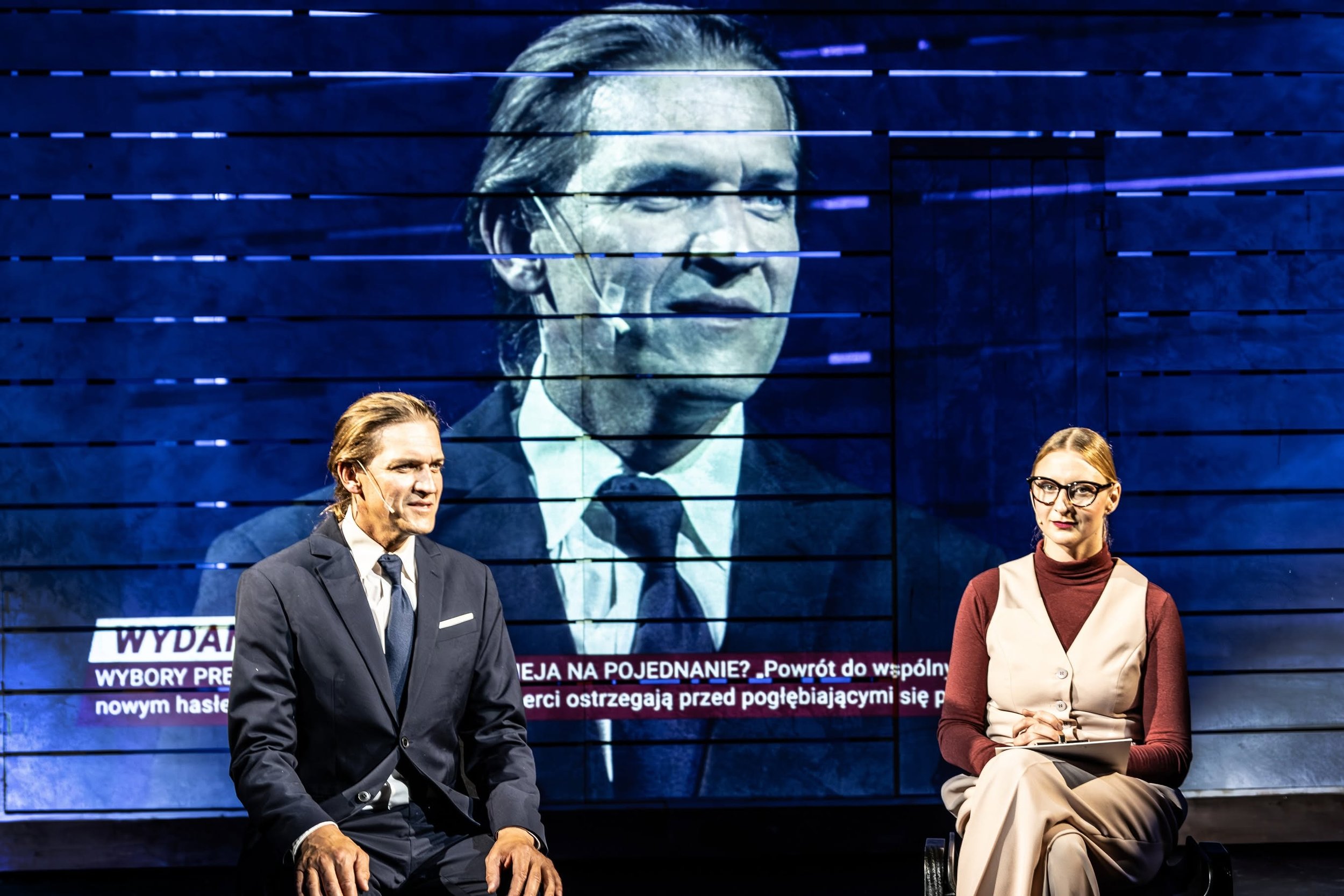
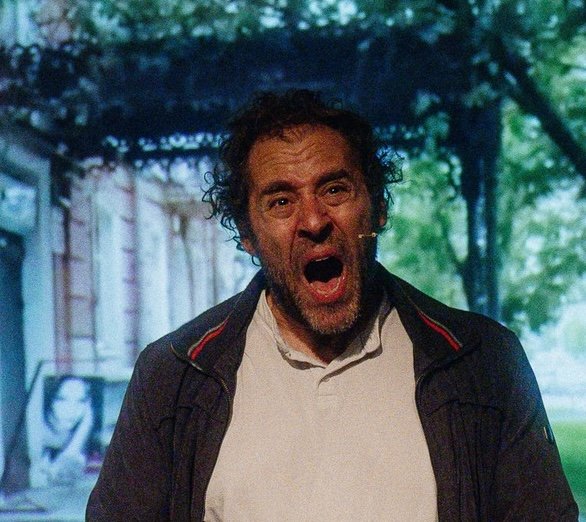
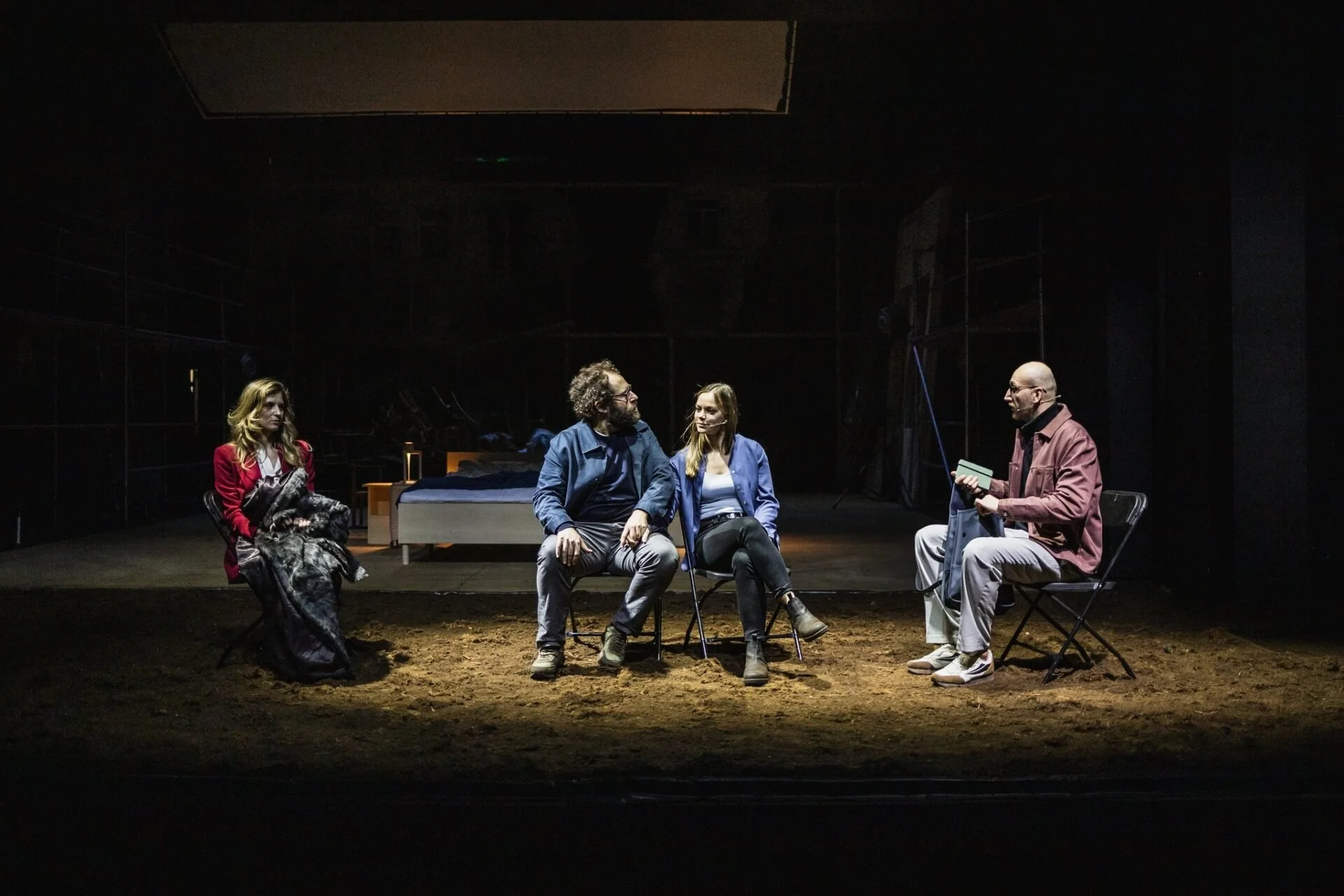
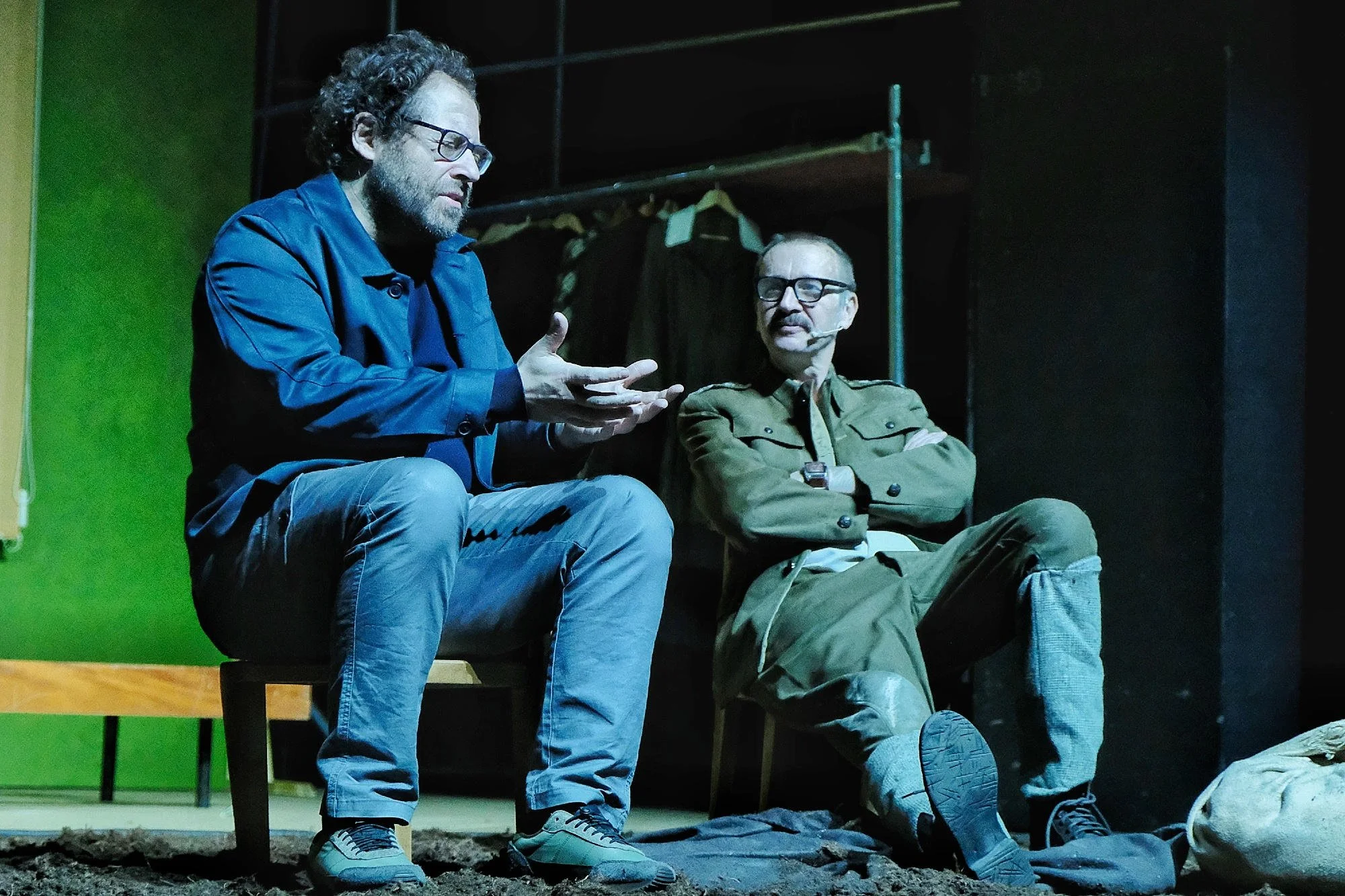
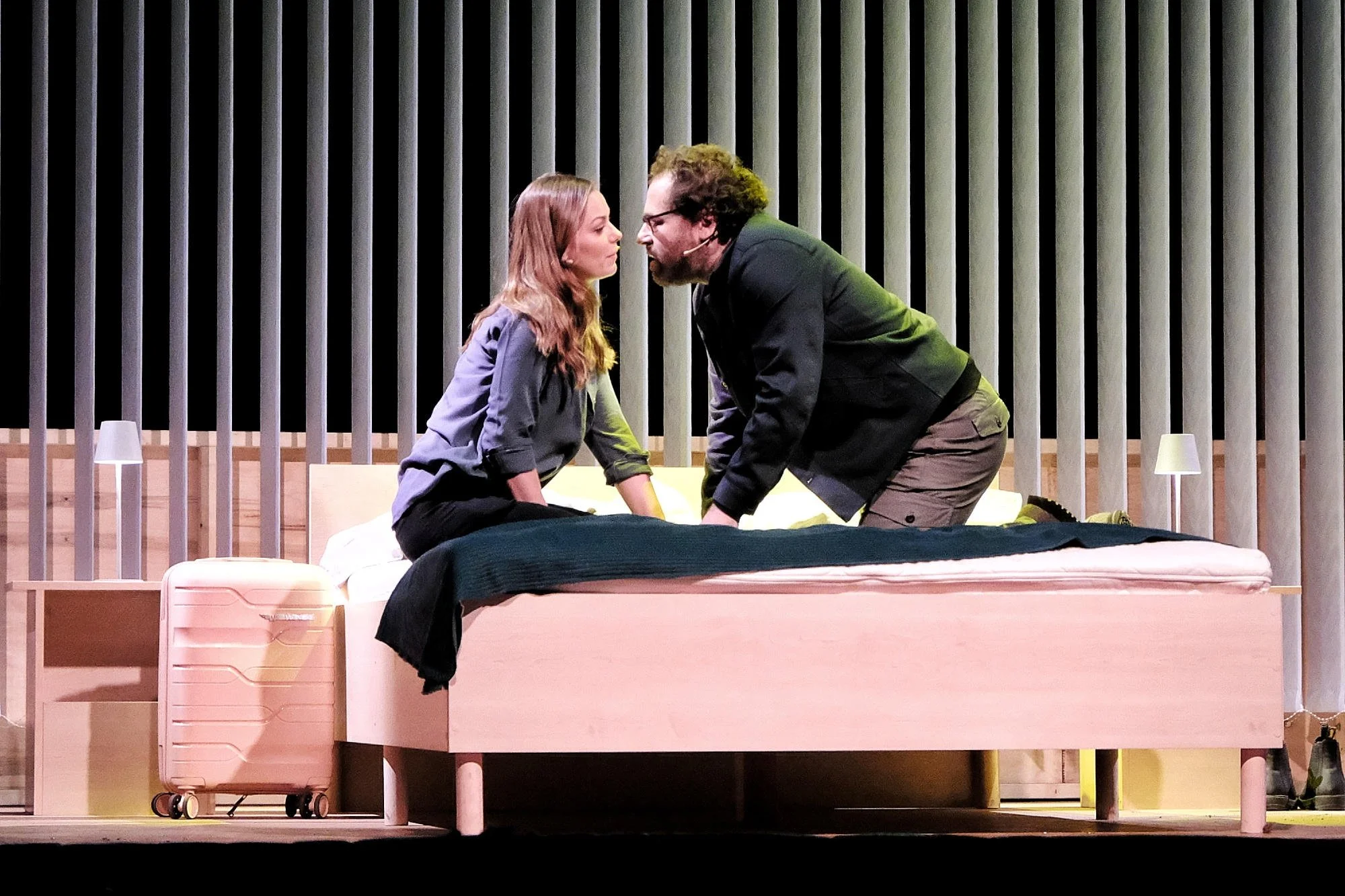
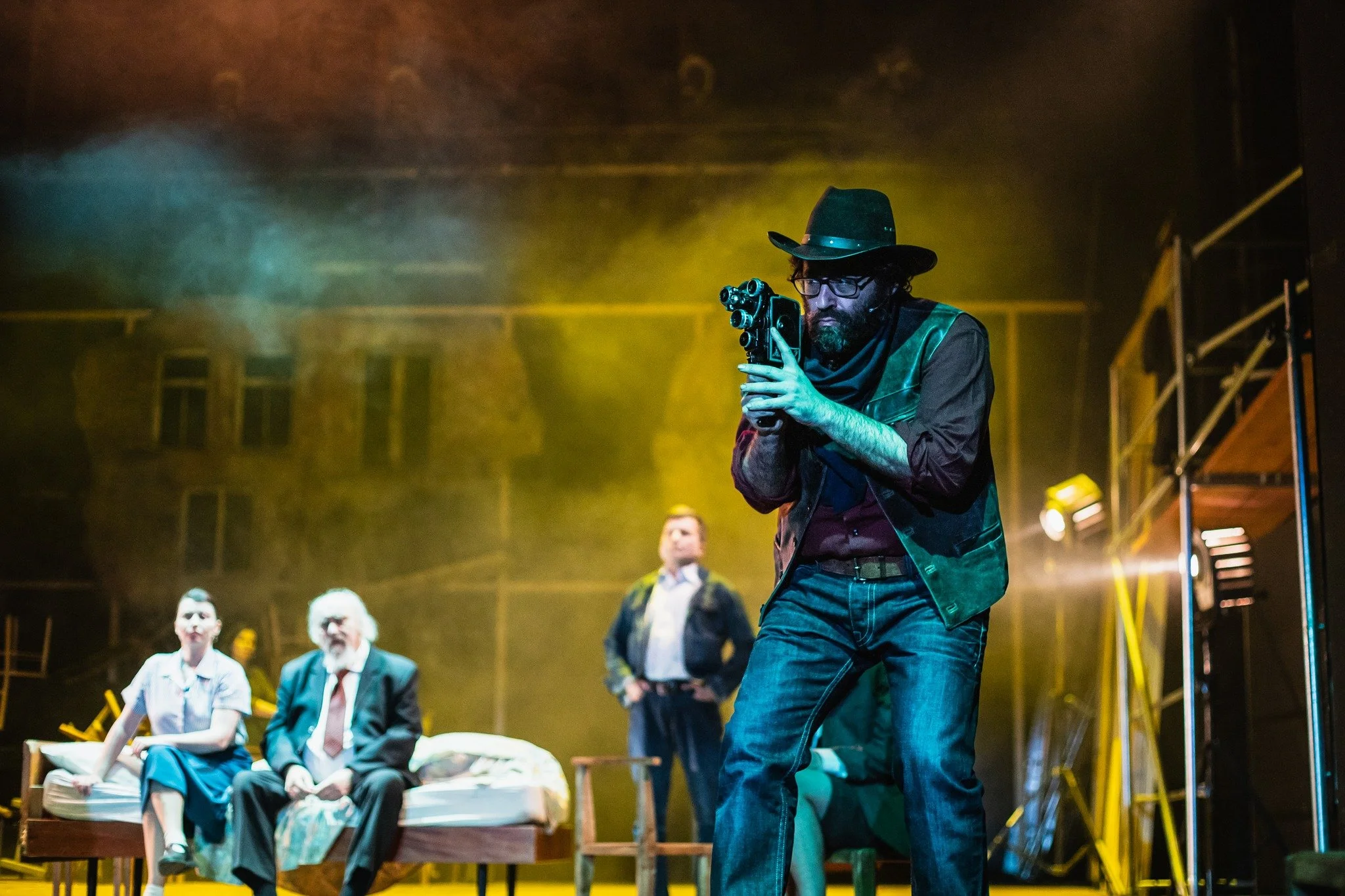
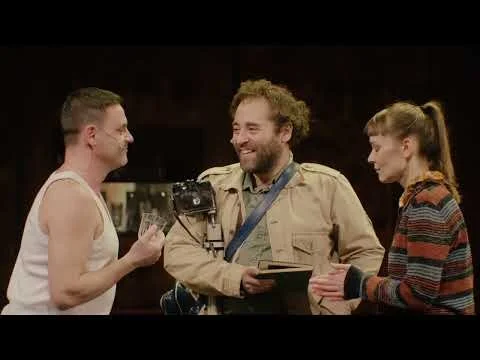
The performance begins on a contemporary film set, where an American director arrives in Poland to make a film about Ford. As the production unfolds, tensions emerge—between ambition and intimacy, authorship and control, past and present. What begins as a film about Ford quickly starts to mirror his life, as relationships fracture and the process itself becomes unstable.
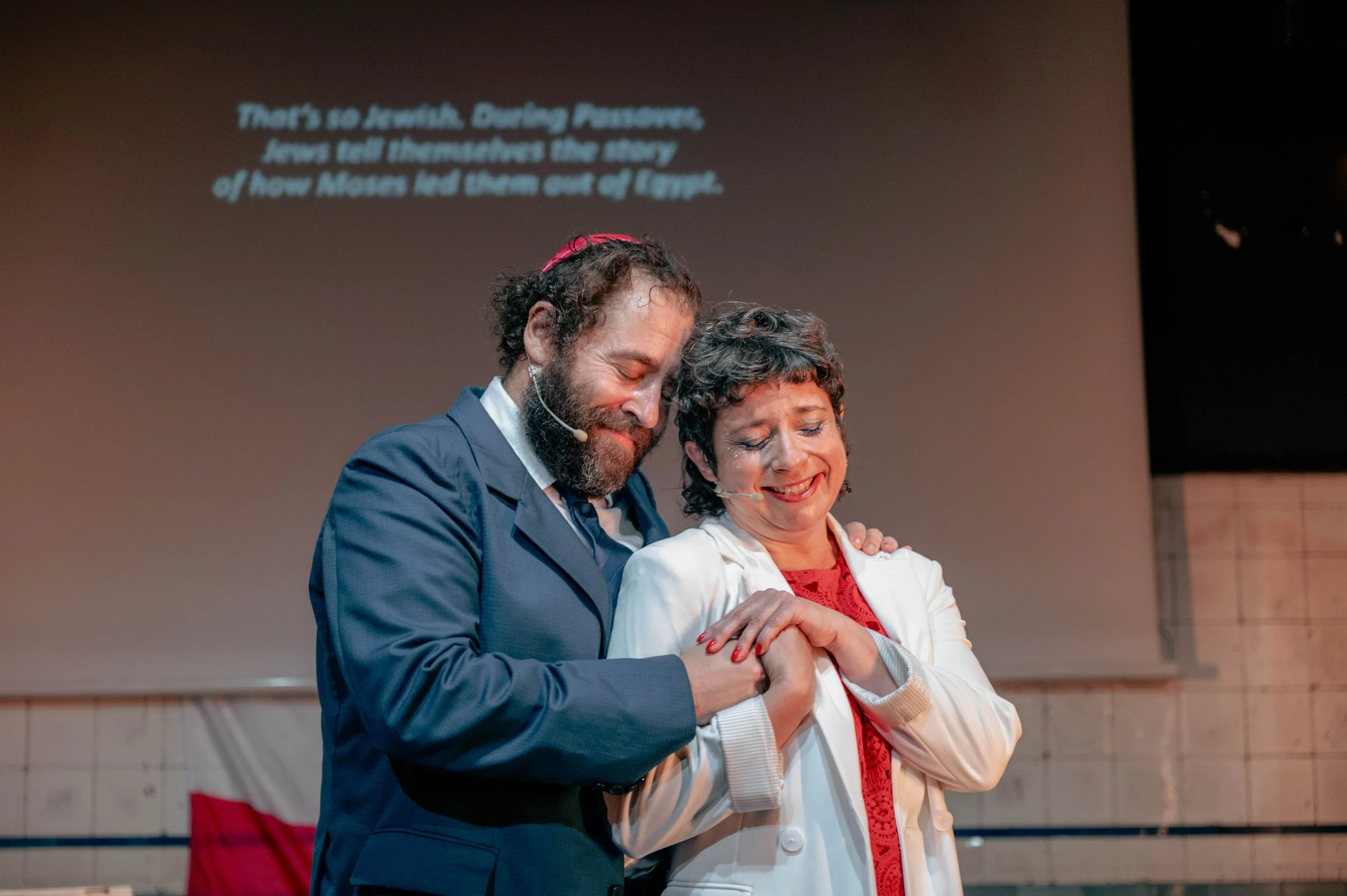
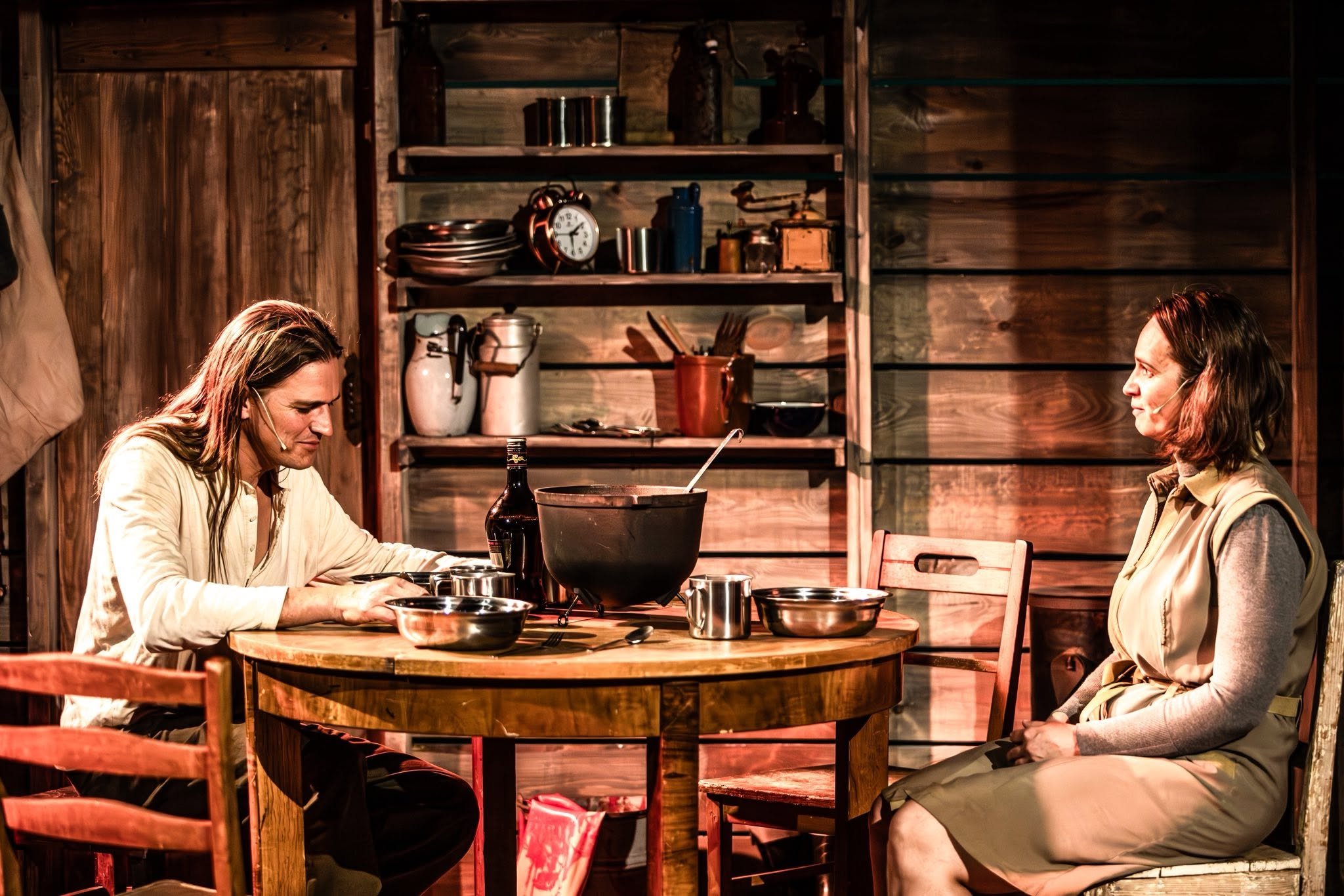
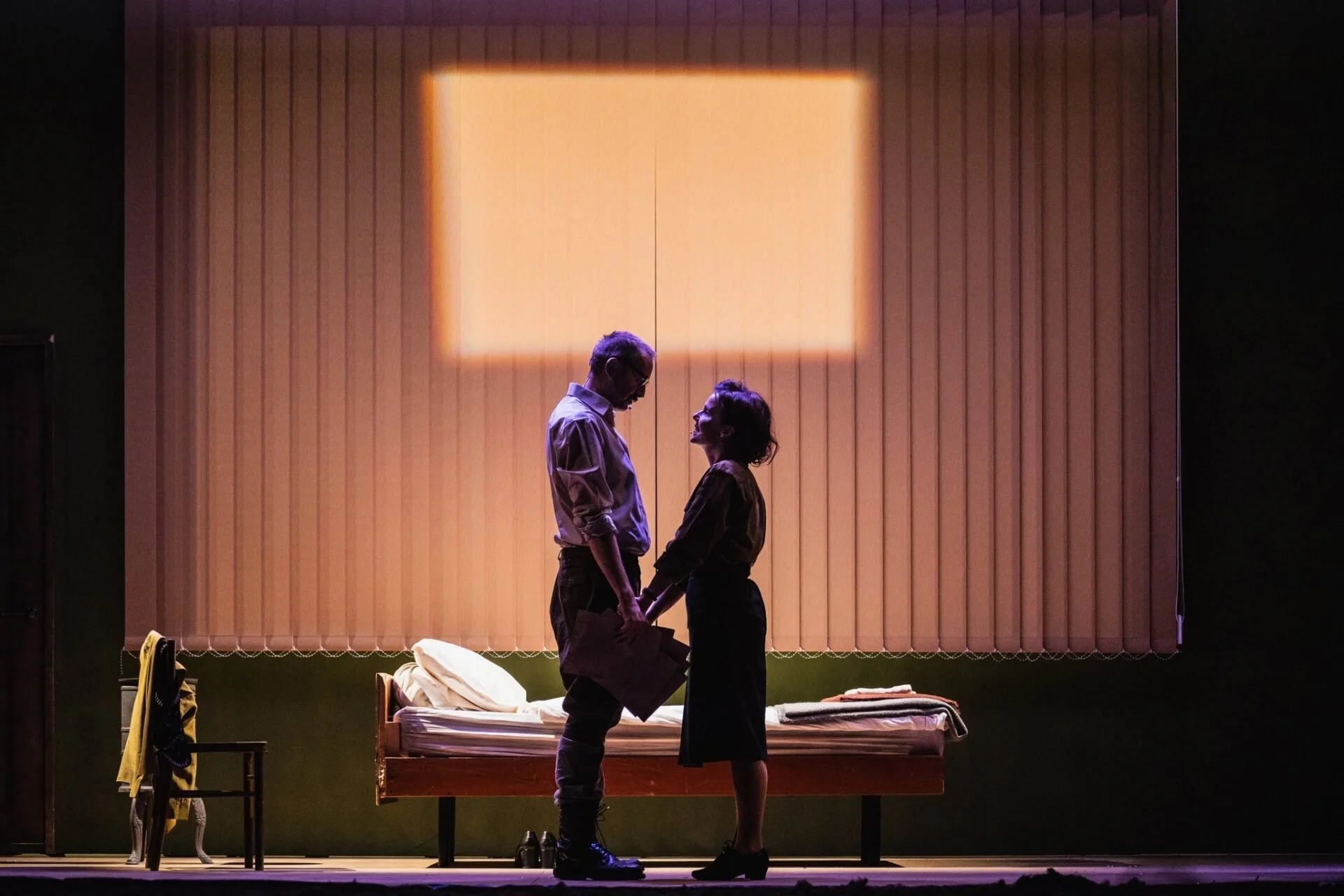
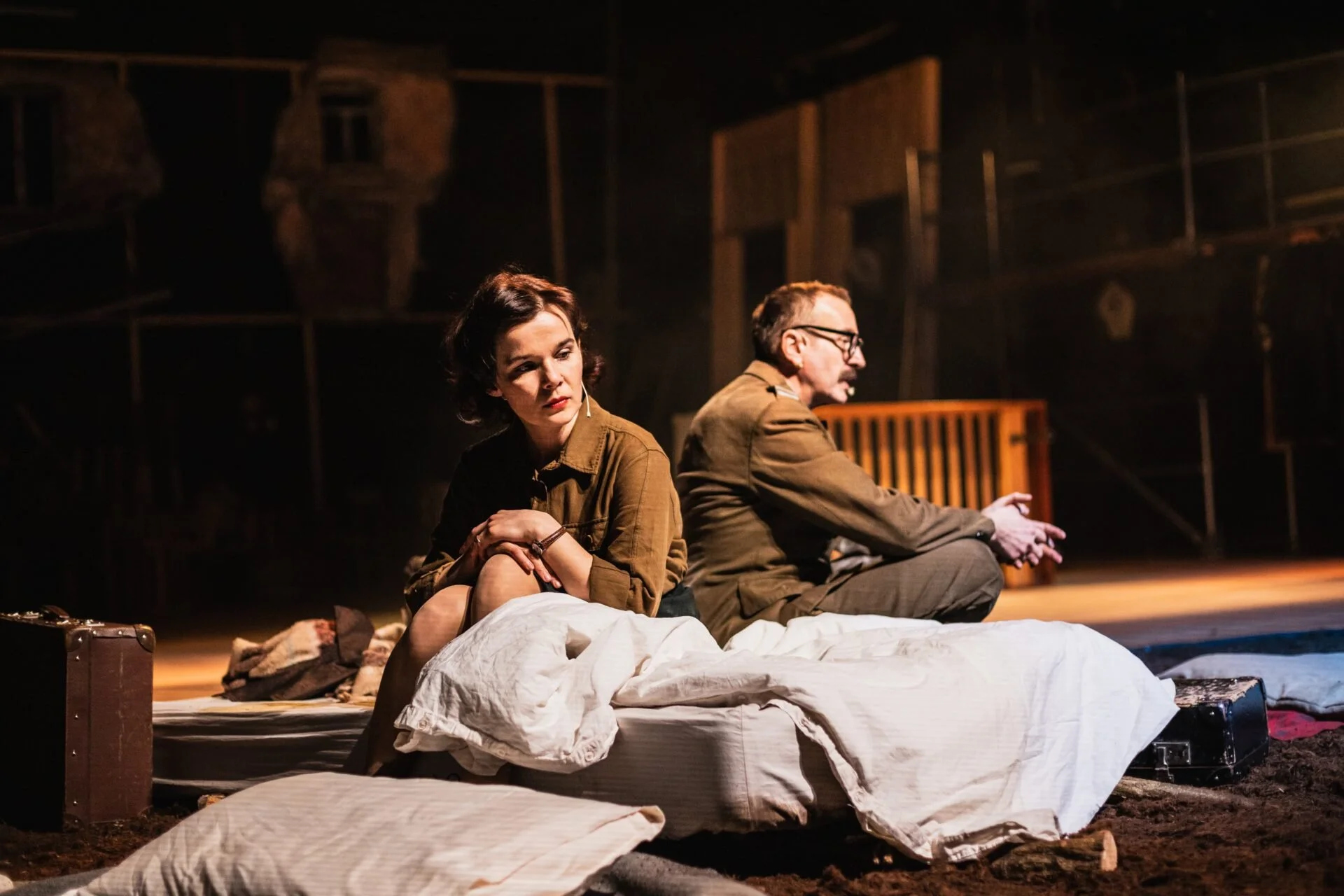
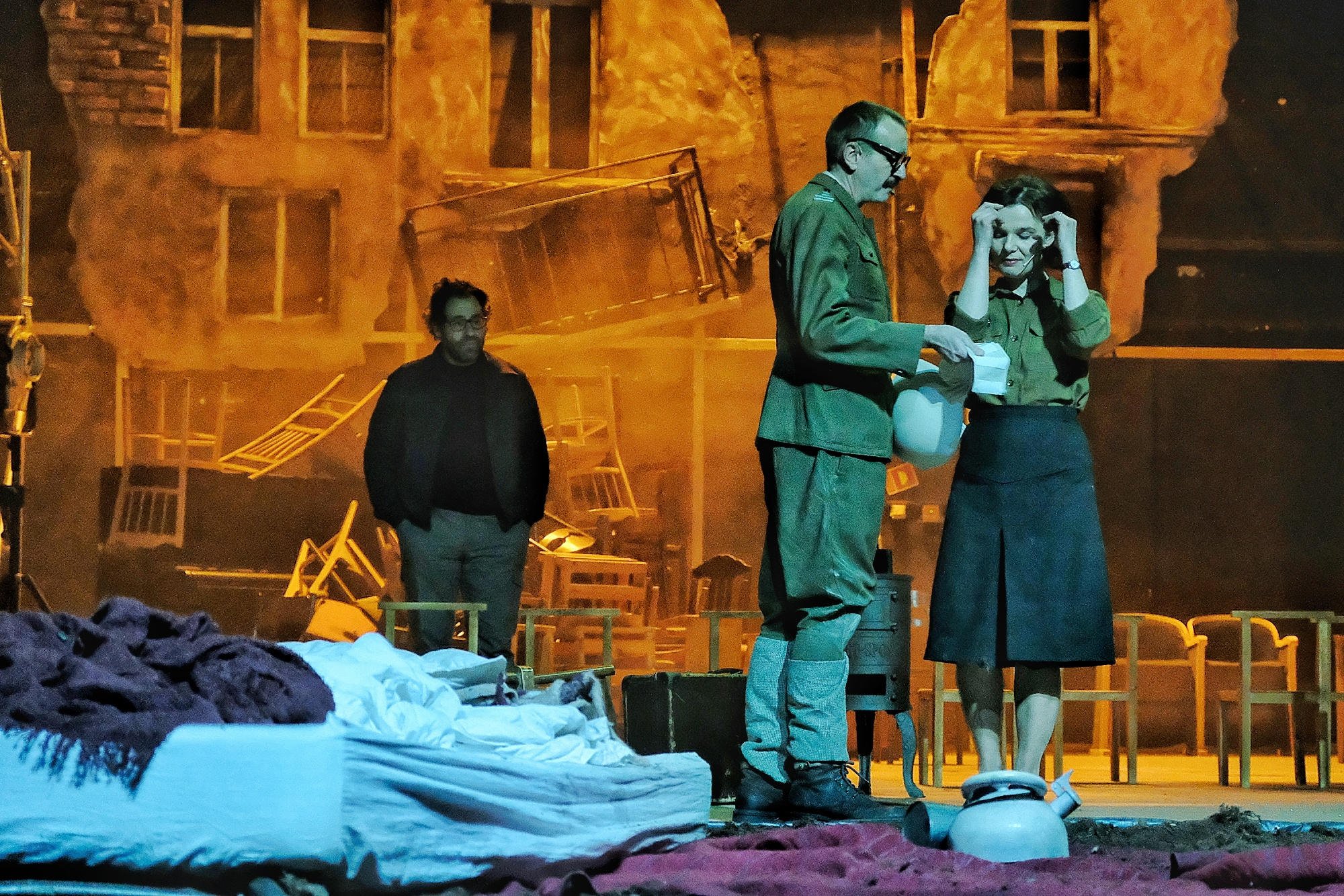
From this point, the performance fractures open. Scenes from Ford’s life—wartime survival, artistic ascent, political entanglement, exile, and personal collapse—interweave with the present-day narrative. The boundaries between biography and projection dissolve. Ford is no longer a fixed subject, but a contested figure, constantly rewritten by those around him.
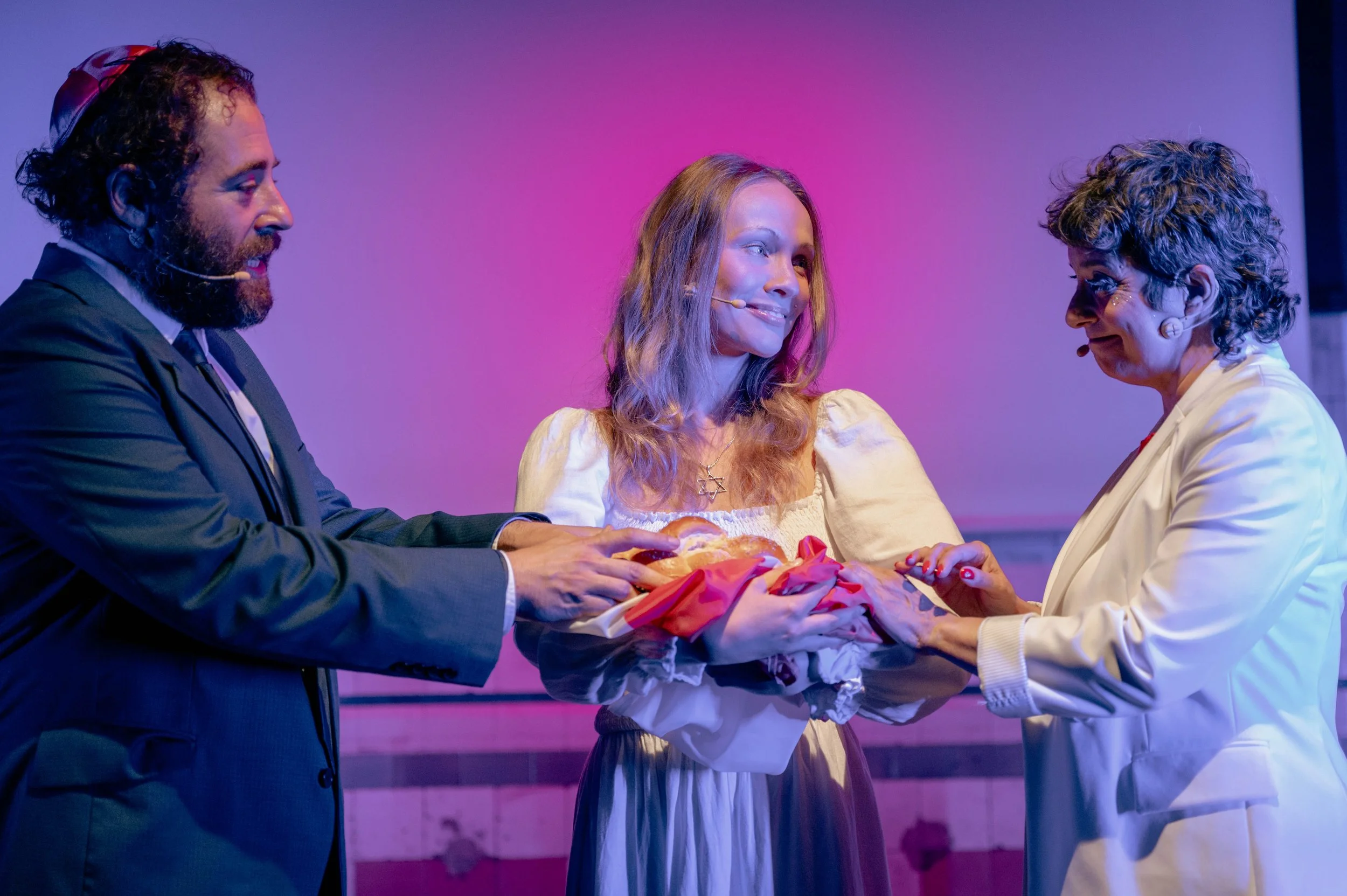
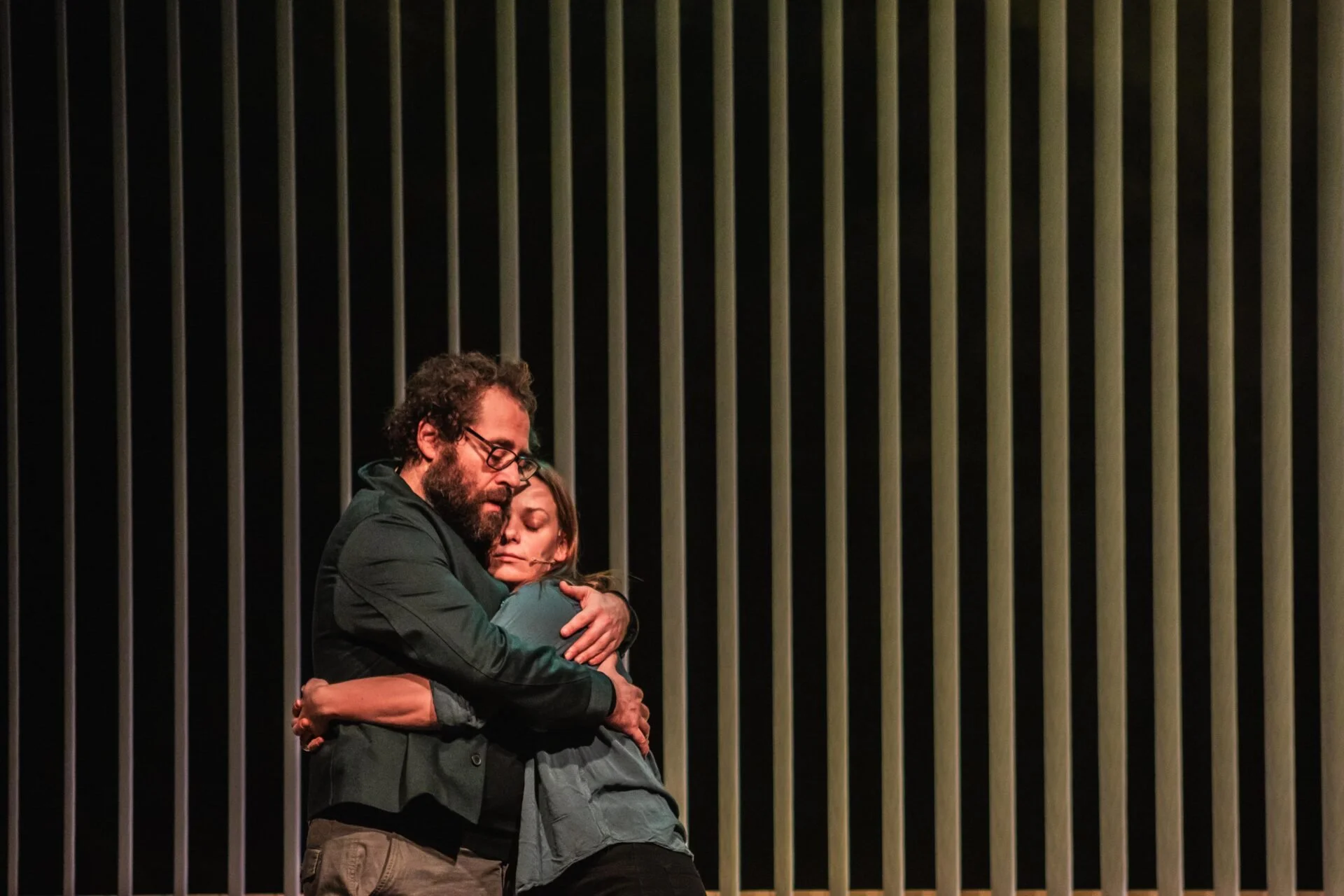
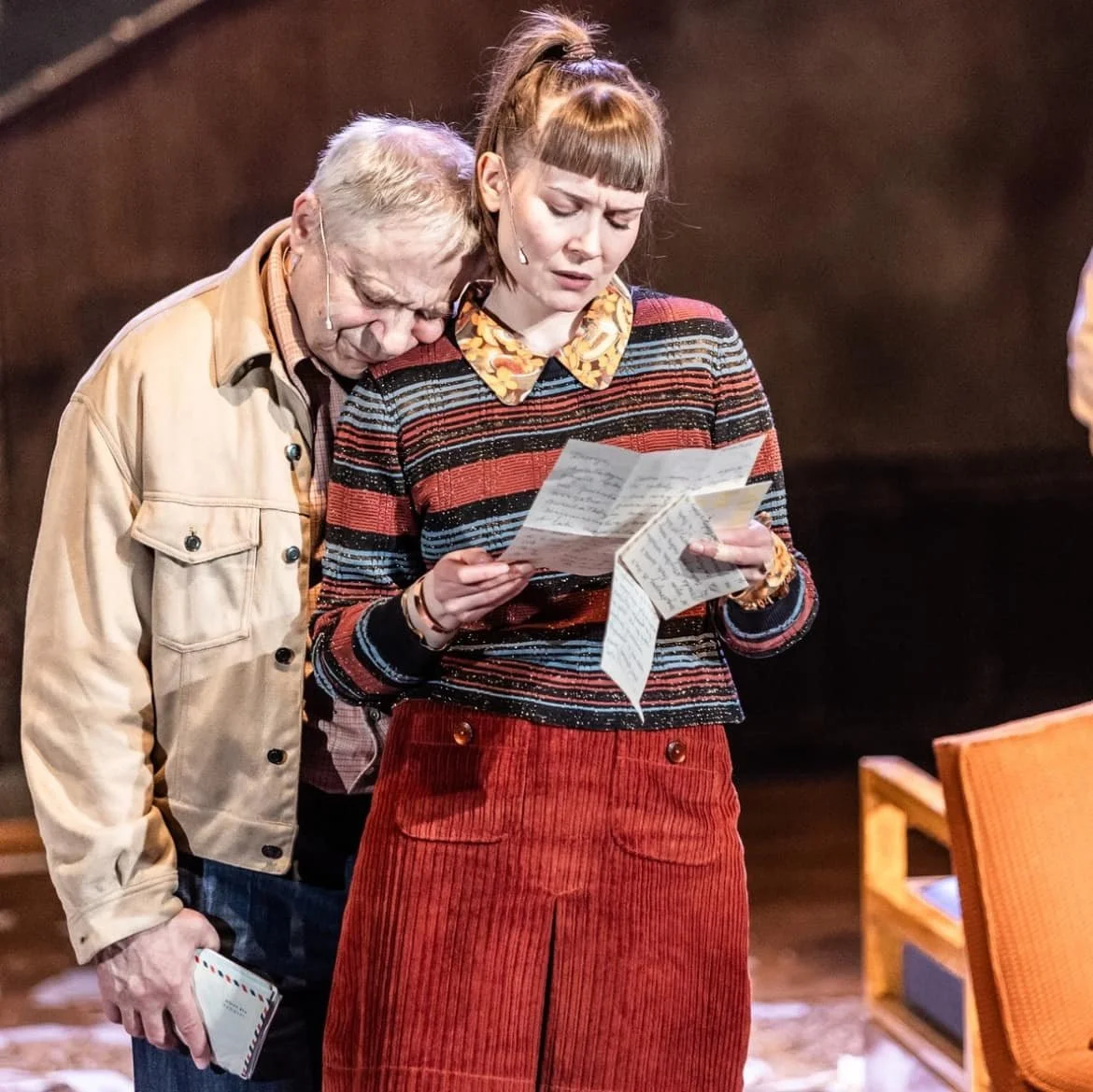
At the center of this unraveling are the women in Ford’s life—wives, collaborators, witnesses—who challenge the mythology of the “great director.” Through their voices, a different portrait emerges: a man shaped by trauma and reinvention, driven by ambition, and often destructive in his relationships.
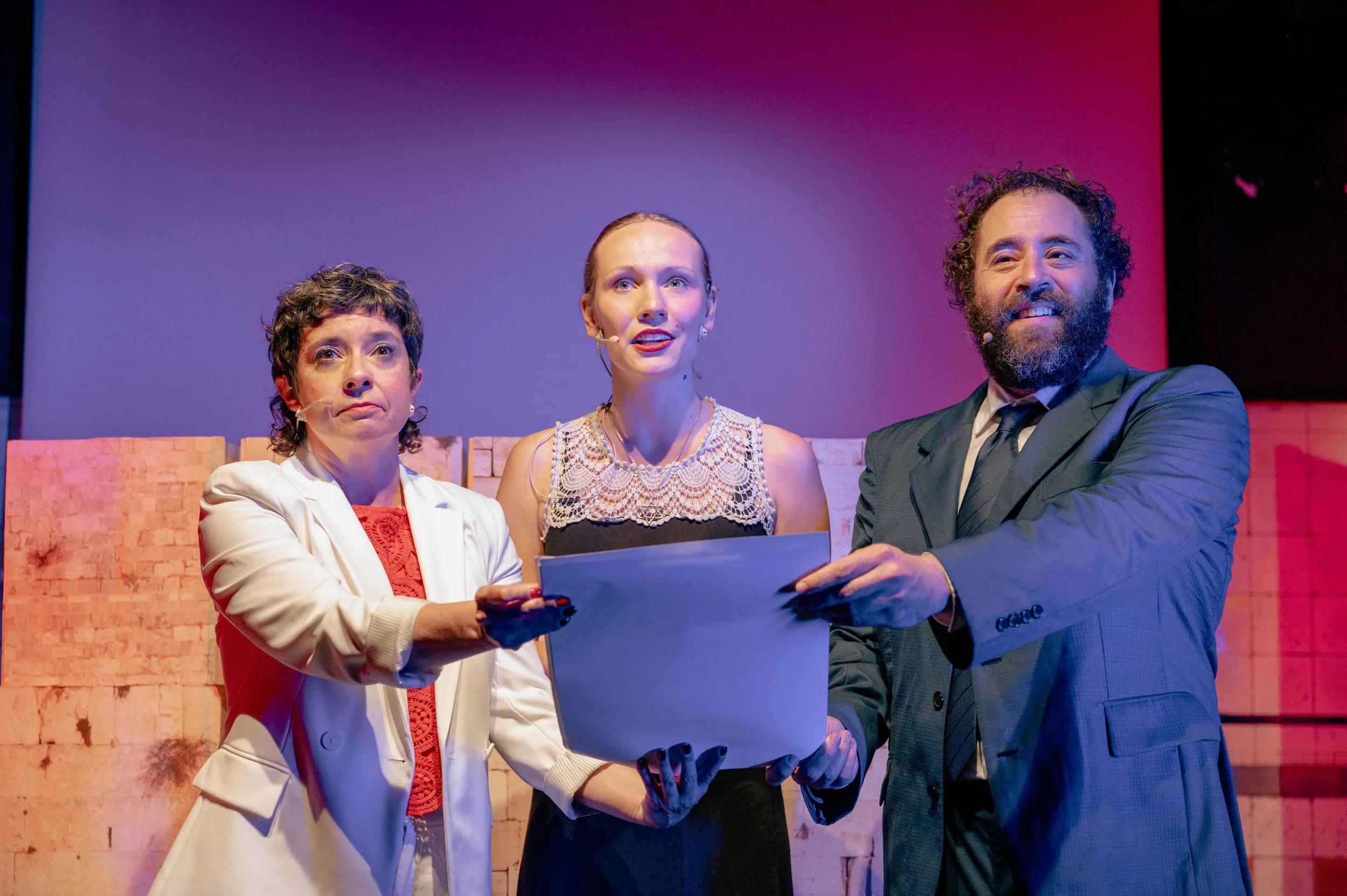
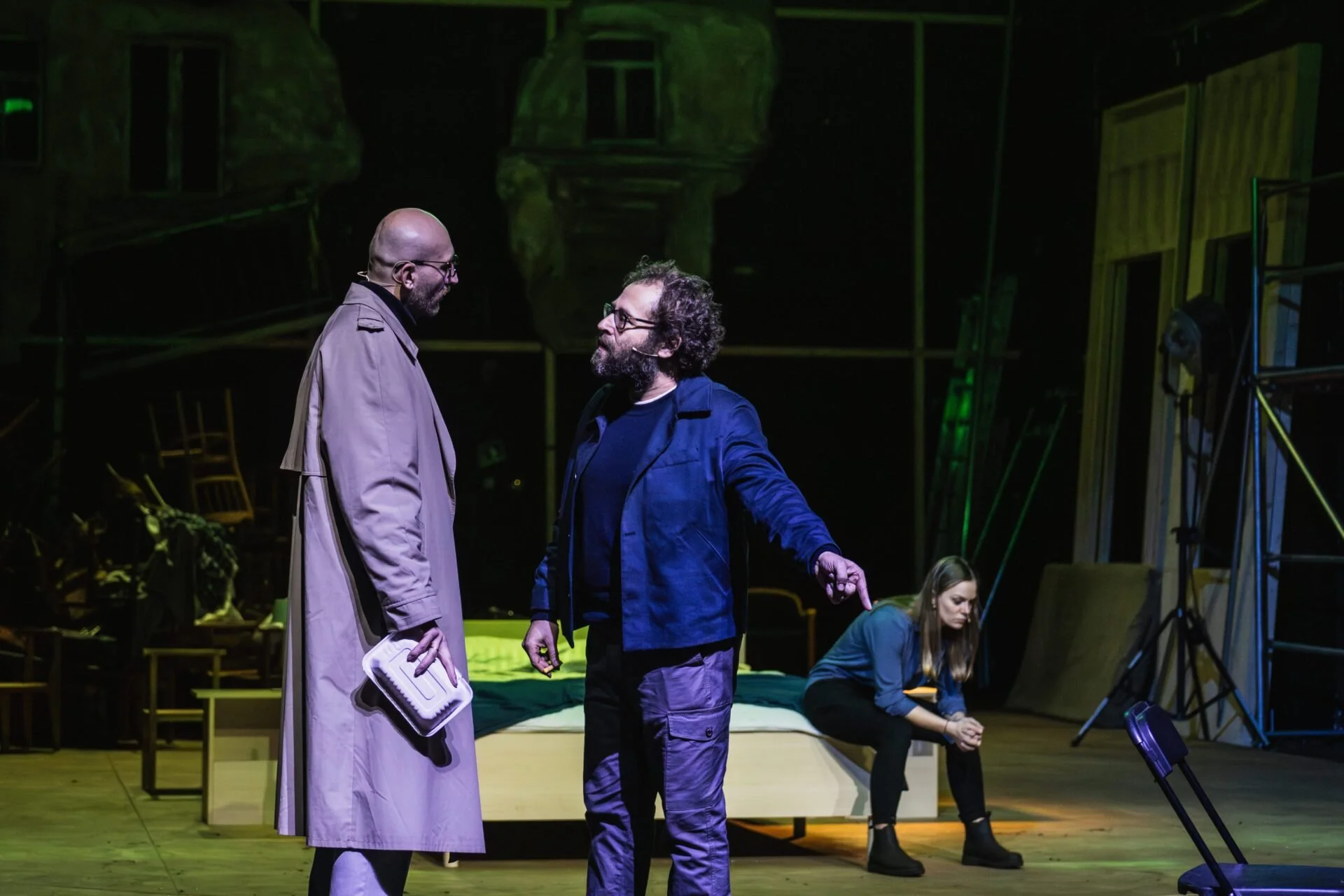
As the performance accelerates, Ford is put on trial—by history, by politics, by memory, and by those he left behind. Accusations, contradictions, and identities collide, exposing the instability of truth itself.
At the same time, the contemporary film project begins to collapse under the weight of its own contradictions, revealing that the attempt to tell Ford’s story inevitably reproduces his patterns of control, obsession, and self-invention.
Blending cinematic language, fragmented narrative, and shifting perspectives, FORD actively confronts the audience with urgent questions: Who has the right to tell a life? What does it mean to construct identity through art? And what is the cost—personal and historical—of survival, reinvention, and ambition?
Rather than resolving these tensions, FORD exposes them—transforming biography into a live, unstable process of confrontation between past and present, truth and narrative, memory and erasure.

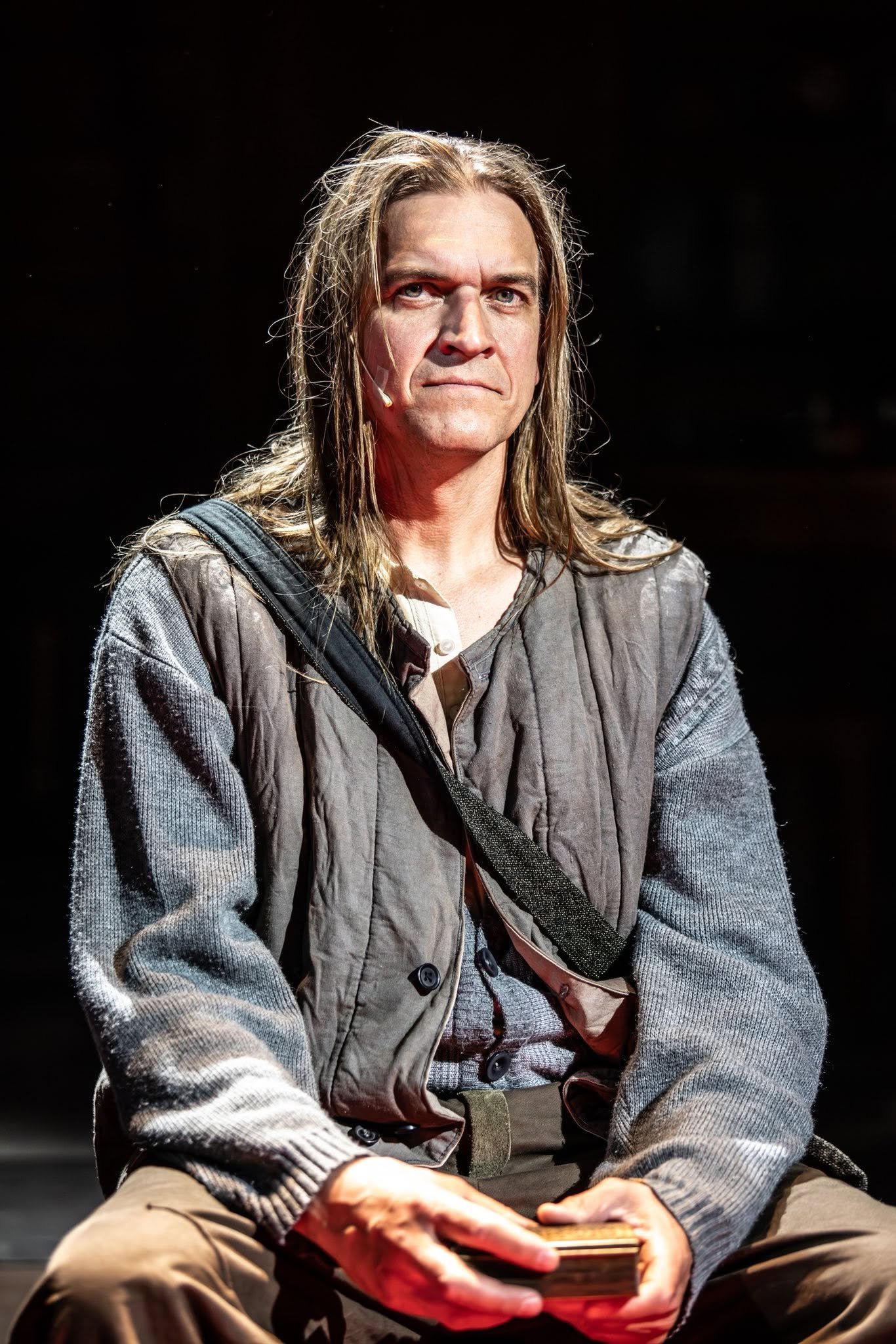
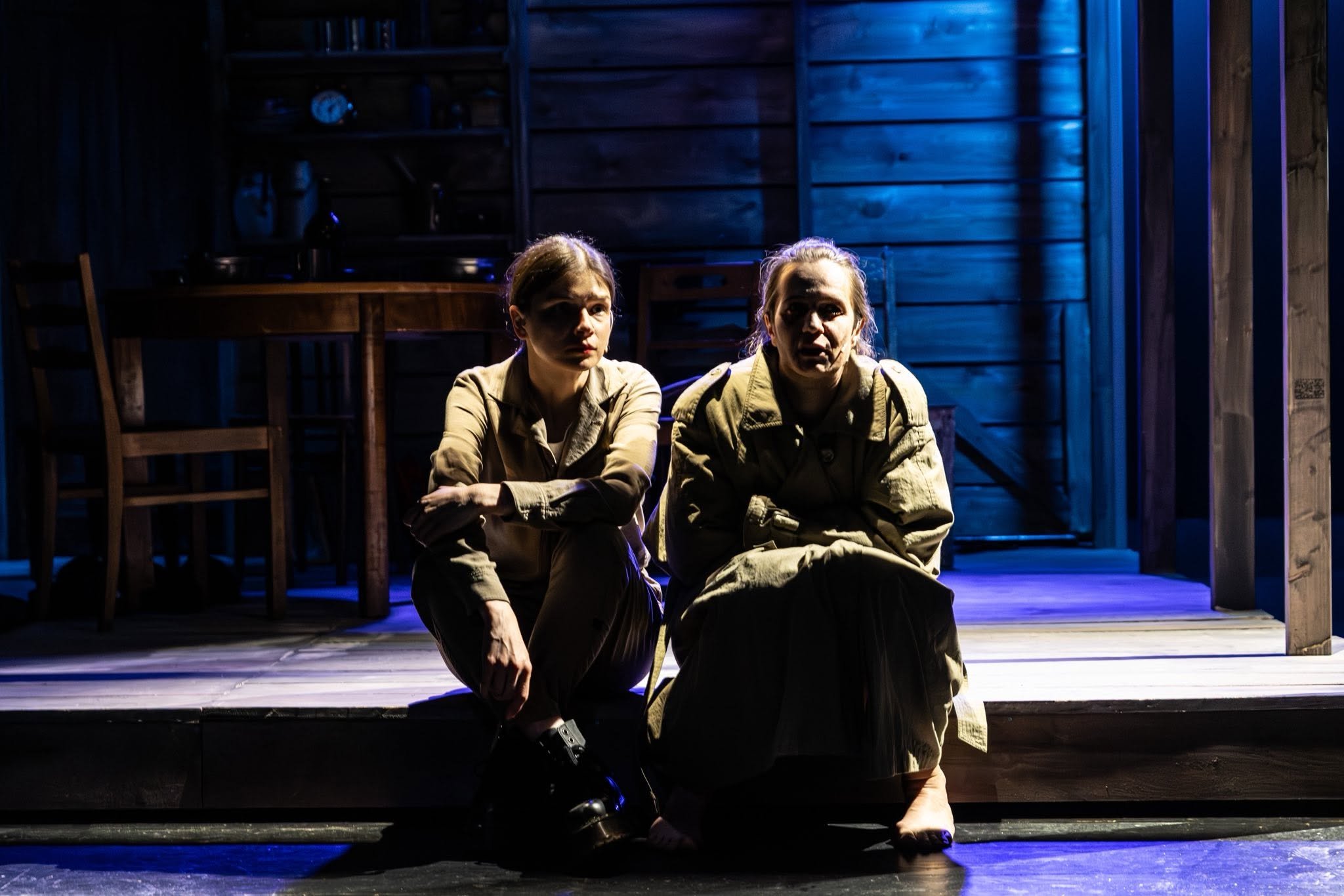
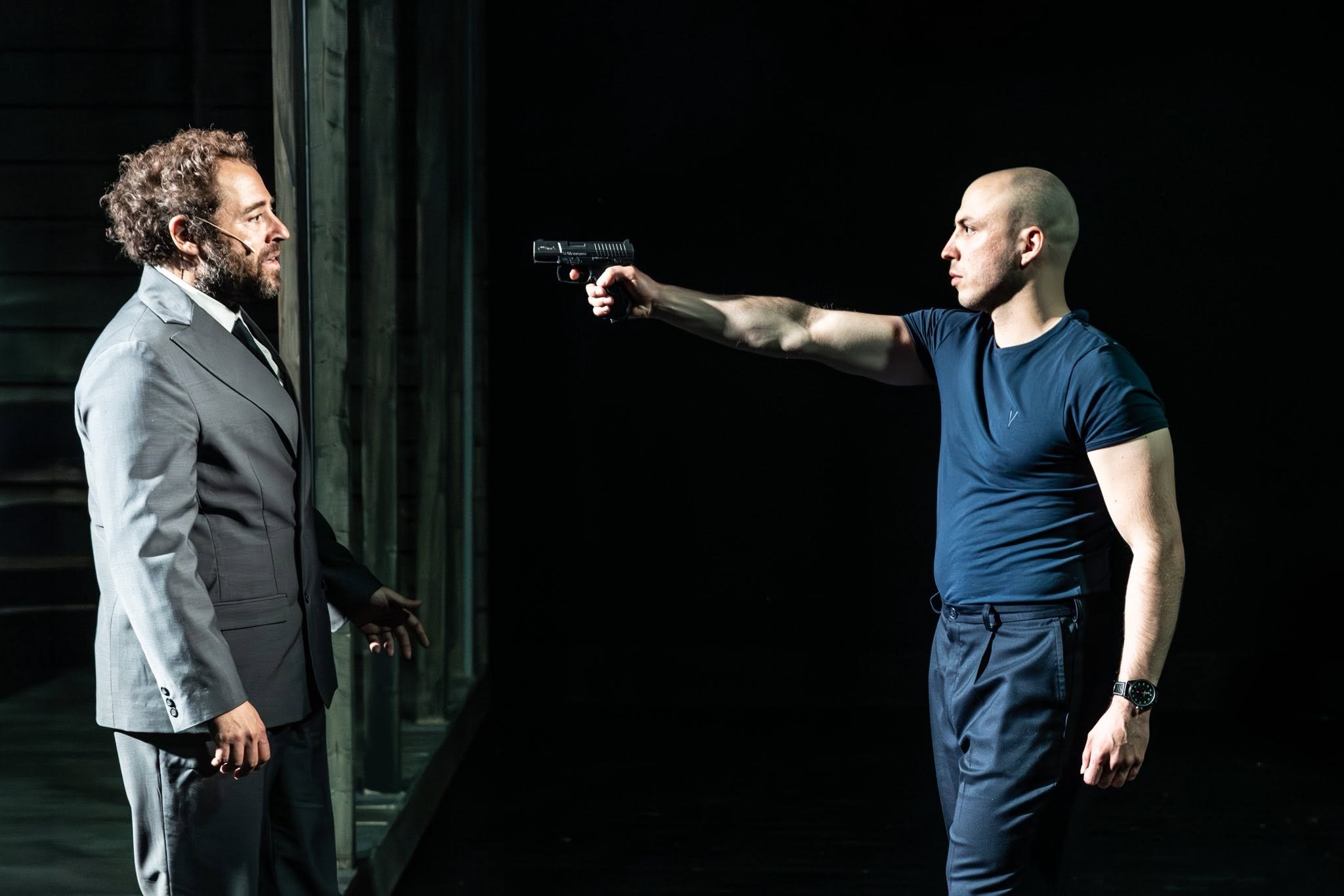
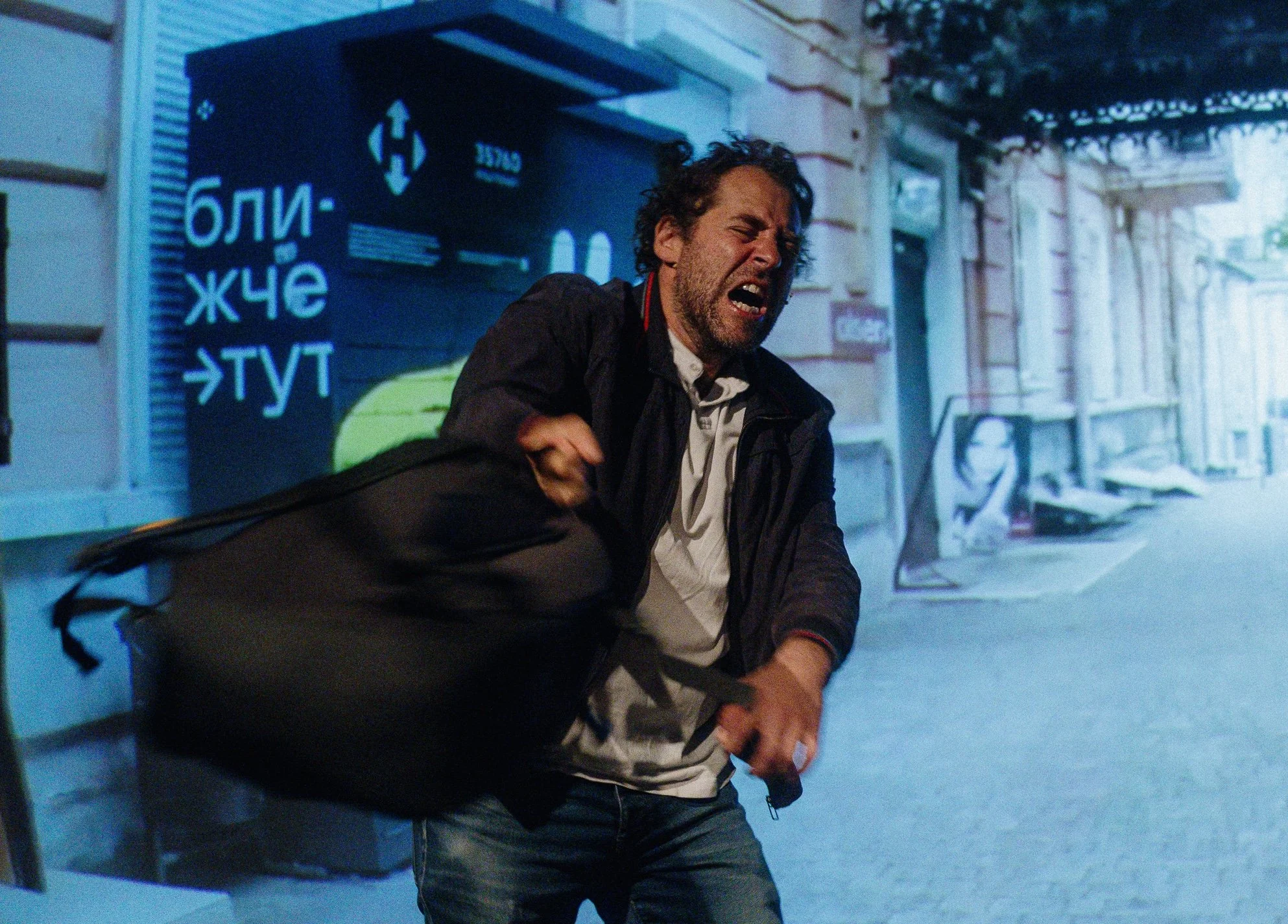




![Zanurzenie [spektakl] fot Przemysław Jendroska-138.jpg](https://images.squarespace-cdn.com/content/v1/55f4b405e4b0e0c7bc114cf9/1679522711844-J054214UQGOIHVPQ2NQ6/Zanurzenie+%5Bspektakl%5D+fot+Przemys%C5%82aw+Jendroska-138.jpg)

![Zanurzenie [spektakl] fot Przemysław Jendroska-162.jpg](https://images.squarespace-cdn.com/content/v1/55f4b405e4b0e0c7bc114cf9/1679522688101-4ZPMLB33VNMCTWJI06AQ/Zanurzenie+%5Bspektakl%5D+fot+Przemys%C5%82aw+Jendroska-162.jpg)

![Zanurzenie [spektakl] fot Przemysław Jendroska-135.jpg](https://images.squarespace-cdn.com/content/v1/55f4b405e4b0e0c7bc114cf9/1679522714178-4JBNI5TXS2KO3AZ3Y1M2/Zanurzenie+%5Bspektakl%5D+fot+Przemys%C5%82aw+Jendroska-135.jpg)
![Zanurzenie [spektakl] fot Przemysław Jendroska-126.jpg](https://images.squarespace-cdn.com/content/v1/55f4b405e4b0e0c7bc114cf9/1679522734979-LGAGJRO0KY026EB6XJMH/Zanurzenie+%5Bspektakl%5D+fot+Przemys%C5%82aw+Jendroska-126.jpg)

![Zanurzenie [spektakl] fot Przemysław Jendroska-122.jpg](https://images.squarespace-cdn.com/content/v1/55f4b405e4b0e0c7bc114cf9/1679522755390-CU8Z697QLT3GON8EXN4V/Zanurzenie+%5Bspektakl%5D+fot+Przemys%C5%82aw+Jendroska-122.jpg)
![Zanurzenie [spektakl] fot Przemysław Jendroska-67.jpg](https://images.squarespace-cdn.com/content/v1/55f4b405e4b0e0c7bc114cf9/1679522784767-SEVZ5MRXSHL89EYOAYMS/Zanurzenie+%5Bspektakl%5D+fot+Przemys%C5%82aw+Jendroska-67.jpg)

![Zanurzenie [spektakl] fot Przemysław Jendroska-53.jpg](https://images.squarespace-cdn.com/content/v1/55f4b405e4b0e0c7bc114cf9/1679522784758-LOB9HV1HZ1A1NB1ZPTDH/Zanurzenie+%5Bspektakl%5D+fot+Przemys%C5%82aw+Jendroska-53.jpg)
![Zanurzenie [spektakl] fot Przemysław Jendroska-163.jpg](https://images.squarespace-cdn.com/content/v1/55f4b405e4b0e0c7bc114cf9/1679522681958-CBSZVK4XUBVHTD9WR892/Zanurzenie+%5Bspektakl%5D+fot+Przemys%C5%82aw+Jendroska-163.jpg)
![Zanurzenie [spektakl] fot Przemysław Jendroska-29.jpg](https://images.squarespace-cdn.com/content/v1/55f4b405e4b0e0c7bc114cf9/1679522801211-OVGZ588GSBYL3I739L01/Zanurzenie+%5Bspektakl%5D+fot+Przemys%C5%82aw+Jendroska-29.jpg)